
Chile is a land of fascinating contrasts, stretching along the western edge of South America where it borders Peru, Bolivia, and Argentina. While many associate the name with cold weather or spicy peppers, the etymology of “Chile” is entirely distinct from the English word “chilly” or the Aztec-derived “chili” pepper. Linguists believe the name likely comes from the Indigenous Mapuche word chilli, meaning “where the land ends,” or perhaps from the onomatopoeic call of the local Trile bird (“cheele-cheele”). A third theory suggests the Quechua word chiri, meaning “cold,” used by Incas arriving from the tropics—though this is linguistically unrelated to the Germanic roots of the English word for cold.
A History of Resilience
Beyond its name, Chile’s history is defined by its journey toward stability. After declaring independence from Spain in 1818, the nation emerged as an authoritarian republic and later weathered significant internal conflicts. These struggles largely culminated in 1990 with the end of Augusto Pinochet’s dictatorship. Today, Chile is celebrated as one of the most prosperous and stable nations in South America, boasting high rankings in human development, per capita income, and low levels of corruption.
Geography and Exploration
The country’s unique “ribbon” shape contains a stunning variety of landscapes, including:
- The North: Home to the world’s driest deserts.
- The South: A mountainous region filled with lakes, ancient forests, and glaciers.
- The Interior: A volcanic landscape that reflects the raw power of the Andes.
- The Antarctic: A lesser-known fact is that Chile claims approximately 480,000 square miles of Antarctic territory.
Opportunities for Adventure
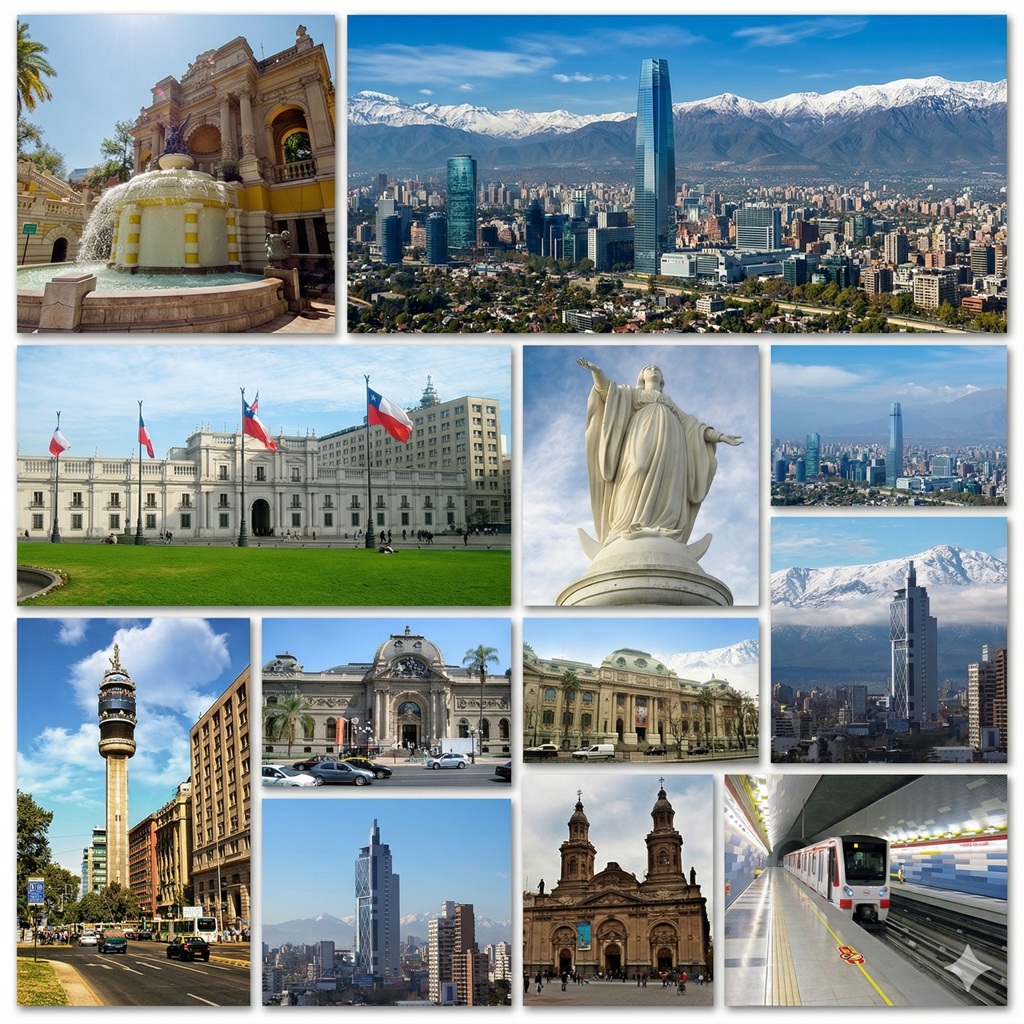
Because of its modern infrastructure and fast-growing economy, Chile has become a premier destination for outdoor adventurers who wish to teach English in Chile. The combination of high-tech cities and rugged wilderness offers an ideal lifestyle for expatriates, with many choosing to teach English in Santiago to be at the heart of the nation’s economy, or teach English in Valparaiso to experience its famous coastal culture and colorful hills.
For those looking to move, peak hiring times fall between March and July. While most schools assist with visa paperwork, the cost of living and the temptation to travel means you may not save a fortune; however, you will earn enough to live comfortably while exploring the “limits of the world.” Whether you are drawn by the “birdsong” of the Trile or the dramatic views where the land ends, Chile remains a top-tier destination for global citizens.