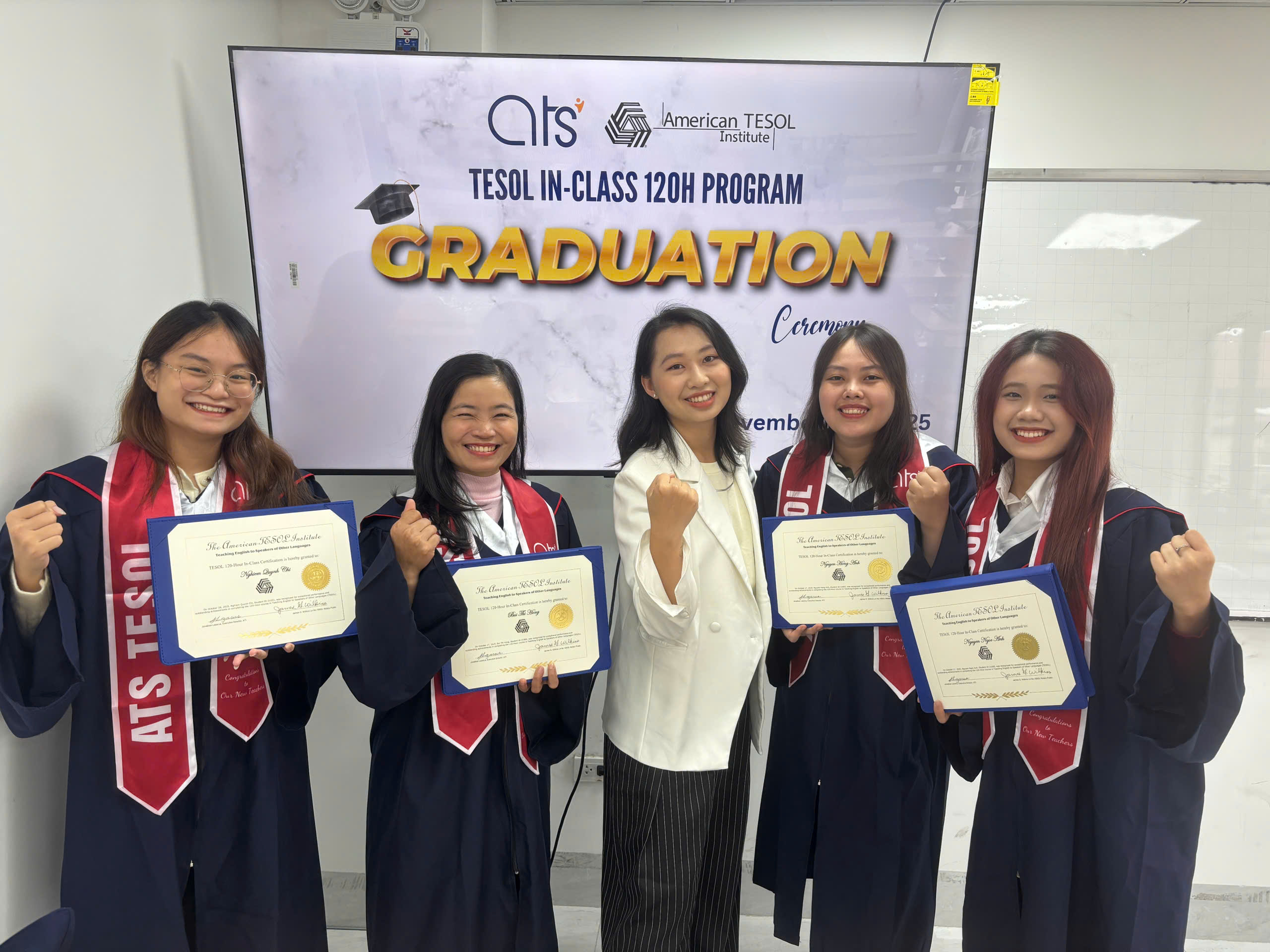
Teach English Abroad: TESOL Certification & Jobs Guide
Teaching English abroad combines language education with the experience of living and working in another country. English teachers work in public and private schools, language programs, universities, international education, tutoring, and other settings around the world.
The path to an international teaching position depends on the destination, employer, qualifications, and legal work requirements. TESOL training can help prepare educators for the classroom, while successful employment also requires careful research into visas, contracts, schools, and destination-specific rules.
Teaching English Abroad: Quick Facts
- TESOL: Teaching English to Speakers of Other Languages prepares educators to work with English language learners.
- Degree requirements: Some countries and employers require a bachelor's degree, while others offer pathways with different qualifications.
- TESOL/TEFL: Certification is commonly requested or valued by English teaching employers and can provide practical classroom preparation.
- Work authorization: A teaching certificate and legal permission to work are separate requirements.
- Jobs: Opportunities include schools, language programs, universities, international education, tutoring, and online teaching.
- Job Placement Guarantee: Certification alone does not automatically guarantee employment; however, ATI offers an optional post-certification Job Placement Guarantee for graduates who select their top five preferred countries, remain open to online teaching opportunities, and allow at least three months to receive job offers.
What Do You Need to Teach English Abroad?
There is no single worldwide qualification for every English teaching job. Requirements vary according to the country, immigration system, employer, student population, and type of school.
- EducationMany international positions require or prefer a bachelor's degree. Other teaching opportunities may have different education requirements.
- TESOL or TEFL trainingA professional language-teaching certificate can provide preparation in methodology, lesson planning, classroom management, assessment, grammar, vocabulary, pronunciation, and language skills.
- Teaching credentialsInternational schools, government programs, universities, and specialized positions may require teacher licensure, advanced degrees, experience, or subject-specific credentials.
- Language proficiencyEmployers and visa programs may establish their own English-language, citizenship, education, or schooling requirements.
- Legal work authorizationTeachers must meet the immigration and employment requirements of the country where they intend to work.
TESOL Certification for Teaching Abroad
TESOL certification provides professional preparation for teaching English to speakers of other languages. Training can help new and experienced educators develop practical strategies for planning lessons, managing classrooms, teaching language skills, assessing learners, and adapting instruction to different ages and proficiency levels.
TESOL and TEFL are widely used terms in English language education. Employers may use them differently, so prospective teachers should focus on the actual course content, training hours, assessment, provider, and the requirements of the job or program they intend to pursue.
For information about American TESOL Institute's educational recognition and credential relationships, see TESOL Accreditation & Recognition.
Where Can You Teach English Abroad?
English teachers work throughout Asia, Europe, Latin America, the Middle East, and other regions. Each destination has different visa rules, hiring practices, salaries, living costs, school calendars, and qualification requirements.
South Korea
Explore public-school pathways such as EPIK, private academies, TESOL requirements, contracts, and E-2 visa considerations.
Japan
Compare ALT, JET, eikaiwa, school, and other English teaching pathways in Japan.
China
Learn about English teaching settings, TESOL preparation, work permits, Z visas, and major teaching cities.
Taiwan
Research schools, teacher qualifications, work authorization, contracts, and life in Taiwan.
Thailand
Explore English teaching opportunities, qualifications, schools, contracts, and destination planning.
Vietnam
Compare teaching environments, qualification requirements, work authorization, and living considerations.
For a broader destination overview, visit the TESOL Worldwide destination guide.
English Teaching Jobs Abroad
International English teaching jobs can differ substantially even within the same country. A public-school contract may look very different from employment at a private language academy, international school, university, or tutoring company.
- Public schoolsGovernment and local education programs may use centralized recruiting and have defined academic calendars and eligibility requirements.
- Private language schoolsLanguage academies often recruit directly and may teach children, adults, professionals, or mixed student groups.
- International schoolsThese positions frequently require formal teacher licensure, subject expertise, and classroom experience.
- UniversitiesHigher-education positions can require advanced academic credentials or prior teaching experience.
- Private tutoringRules for independent tutoring vary by country and visa status. Confirm that outside work is legally permitted.
- Online English teachingOnline instruction can complement international teaching, but platform requirements and the legal implications of remote work from another country should be checked separately.
Work Visas and Legal Employment
A TESOL certificate is a teaching credential; it is not a work visa. Every teacher planning to work internationally should determine what immigration status is required for the specific country and position.
Depending on the destination, work authorization may depend on education, nationality, professional credentials, criminal-background documentation, medical checks, employer sponsorship, authenticated documents, or other requirements. Do not assume that entering a country as a visitor automatically permits employment.
Salary, Benefits and Cost of Living
International teaching compensation varies widely. Salary figures are most useful when evaluated together with local living costs and the complete employment package.
- SalaryDetermine whether advertised compensation is gross or net and understand taxes and deductions.
- HousingSome employers provide housing or an allowance; others do not. Check deposits, utilities, location, and contract conditions.
- AirfareTravel reimbursement may be offered by some employers, but conditions and payment schedules vary.
- InsuranceUnderstand required national insurance, employer coverage, and any costs you must pay yourself.
- Vacation and holidaysSchool calendars, national holidays, paid leave, and contract vacation differ by employer and destination.
- Working hoursCompare teaching hours with preparation, meetings, office hours, activities, and administrative responsibilities.
How to Find a Teaching Job Abroad
Begin with the destination's legal employment requirements, then search for positions that match your qualifications. Government programs, schools, universities, established recruiters, professional networks, and reputable job boards can all be useful sources.
American TESOL Institute provides TESOL job resources and career support to help graduates identify opportunities and prepare for the job-search process. Hiring decisions remain with employers.
Review the Contract Before You Go
Never evaluate an international teaching offer solely by the headline salary or destination. Read the complete contract and clarify anything that is vague before accepting.
- Job duties: Teaching load, preparation, meetings, activities, office hours, and administrative responsibilities.
- Compensation: Salary, taxes, deductions, overtime, bonuses, and payment schedule.
- Housing: Accommodation, allowance, utilities, deposits, roommates, location, and move-out requirements.
- Benefits: Insurance, airfare, leave, holidays, pension, severance, and relocation assistance where applicable.
- Termination: Notice periods, penalties, final salary, housing consequences, and documentation.
- Work authorization: Employer sponsorship responsibilities and the exact visa or permit required before employment begins.
Teaching Abroad as Cultural Exchange
International teaching is more than travel. Teachers enter another educational system and community, where expectations about communication, classroom behavior, hierarchy, assessment, schedules, and professional relationships may differ from those at home.
Learning about the local language and culture can improve daily life and professional communication while helping teachers understand what it feels like to be a language learner. Cultural curiosity, flexibility, professionalism, and respect are valuable parts of successful international teaching.
How to Start Teaching English Abroad
- Choose several possible destinations. Compare lifestyle, teaching environments, climate, living costs, and career goals.
- Check current eligibility. Research degree, citizenship, experience, background-check, health, and visa requirements.
- Complete appropriate teacher training. Choose TESOL or TEFL preparation that fits your intended employers and destination.
- Prepare your documents. Degrees, transcripts, background checks, certificates, references, passports, and authentication can take time.
- Research employers. Verify schools and recruiters before sending sensitive documents or paying fees.
- Compare contracts. Evaluate duties, compensation, housing, leave, insurance, and termination terms.
- Secure legal work authorization. Complete the required visa or work-permit process before beginning employment.
Start Your TESOL Journey
American TESOL Institute provides English language teacher training for educators preparing to teach online, domestically, or internationally. Explore TESOL certification programs or register for TESOL certification.
ATI also provides career resources and an optional post-certification Job Placement Guarantee. Graduates choose their top five preferred countries for teaching abroad, remain open to online teaching opportunities, and allow at least three months to receive job offers. The guarantee does not replace employer hiring requirements, visa rules, or legal work-authorization requirements.
Teaching English Abroad FAQ
What qualifications do I need to teach English abroad?
Requirements vary by country, visa category, employer, and teaching setting. Some positions require a bachelor's degree, teaching license, experience, or TESOL or TEFL training, while other opportunities have different requirements. Always check the current rules for the specific destination and employer.
Do I need a TESOL certificate to teach English abroad?
A TESOL or TEFL certificate is commonly requested or valued by many English teaching employers and can provide practical teacher preparation, but requirements differ by job and country. Certification alone does not automatically guarantee employment or legal work authorization. ATI separately offers an optional post-certification Job Placement Guarantee for eligible graduates; see https://americantesol.com/tesol-job-guarantee.html for program terms.
Where can I teach English abroad?
English teachers work in countries throughout Asia, Europe, Latin America, the Middle East, and other regions. Popular destinations include South Korea, Japan, China, Taiwan, Thailand, Vietnam, Spain, and many others, each with its own employment and visa requirements.
Does TESOL certification guarantee a teaching job abroad?
TESOL certification by itself does not automatically guarantee employment. American TESOL Institute separately offers an optional post-certification Job Placement Guarantee for ATI graduates who select their top five preferred countries for teaching abroad, remain open to online teaching opportunities, and allow at least three months to receive job offers. Employer and work-authorization requirements still apply.
Can I teach English abroad without a bachelor's degree?
Some international teaching opportunities may be available without a bachelor's degree, but many countries, visa programs, public-school systems, and employers require one. Research the current requirements for the destination and position before making travel or employment plans.