



Recent Advancements in Artificial Intelligence and Translanguaging for English Teachers
- Artificial Intelligence
- Translanguaging
- Teaching Trends
- Multilingualism
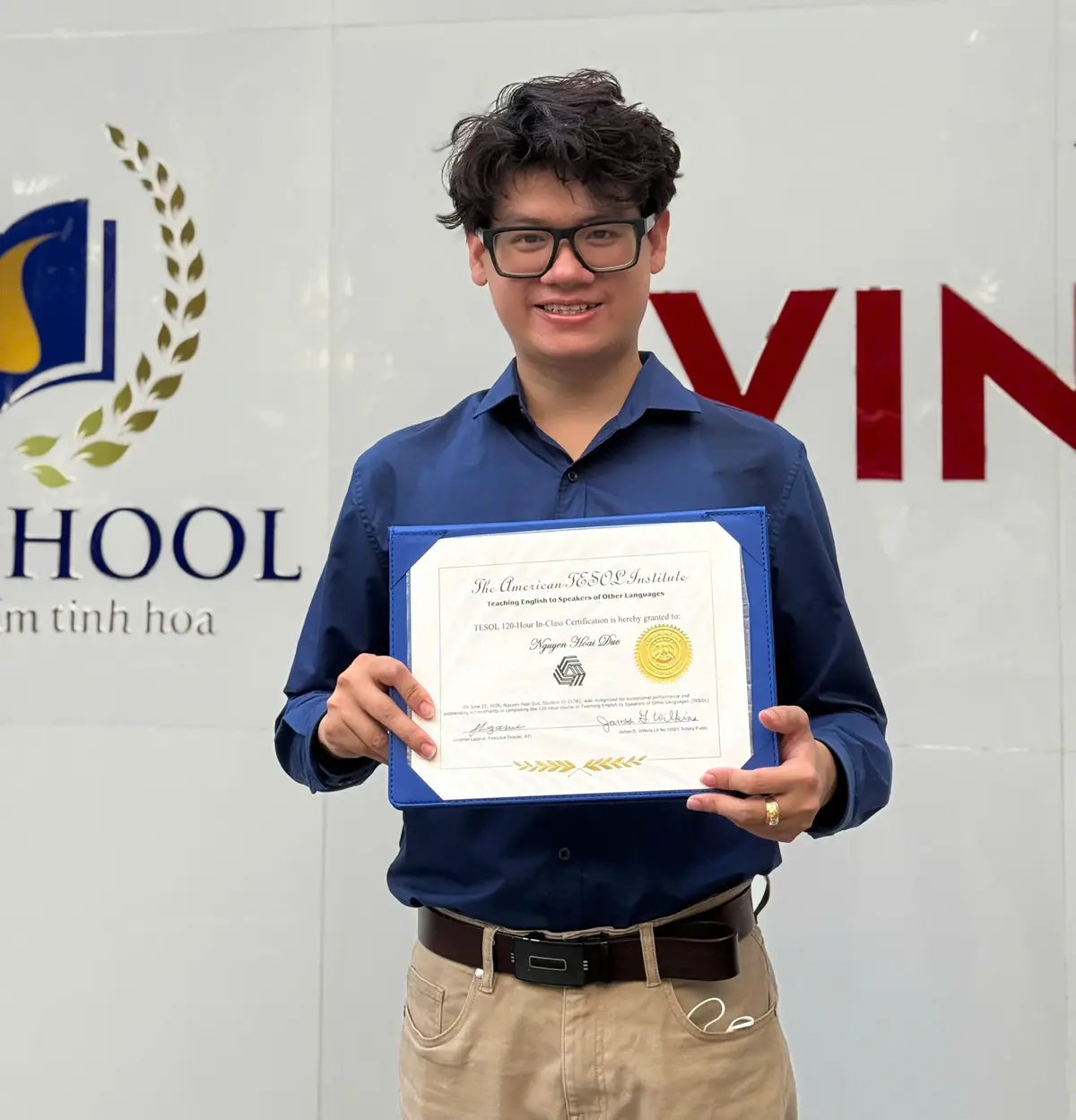
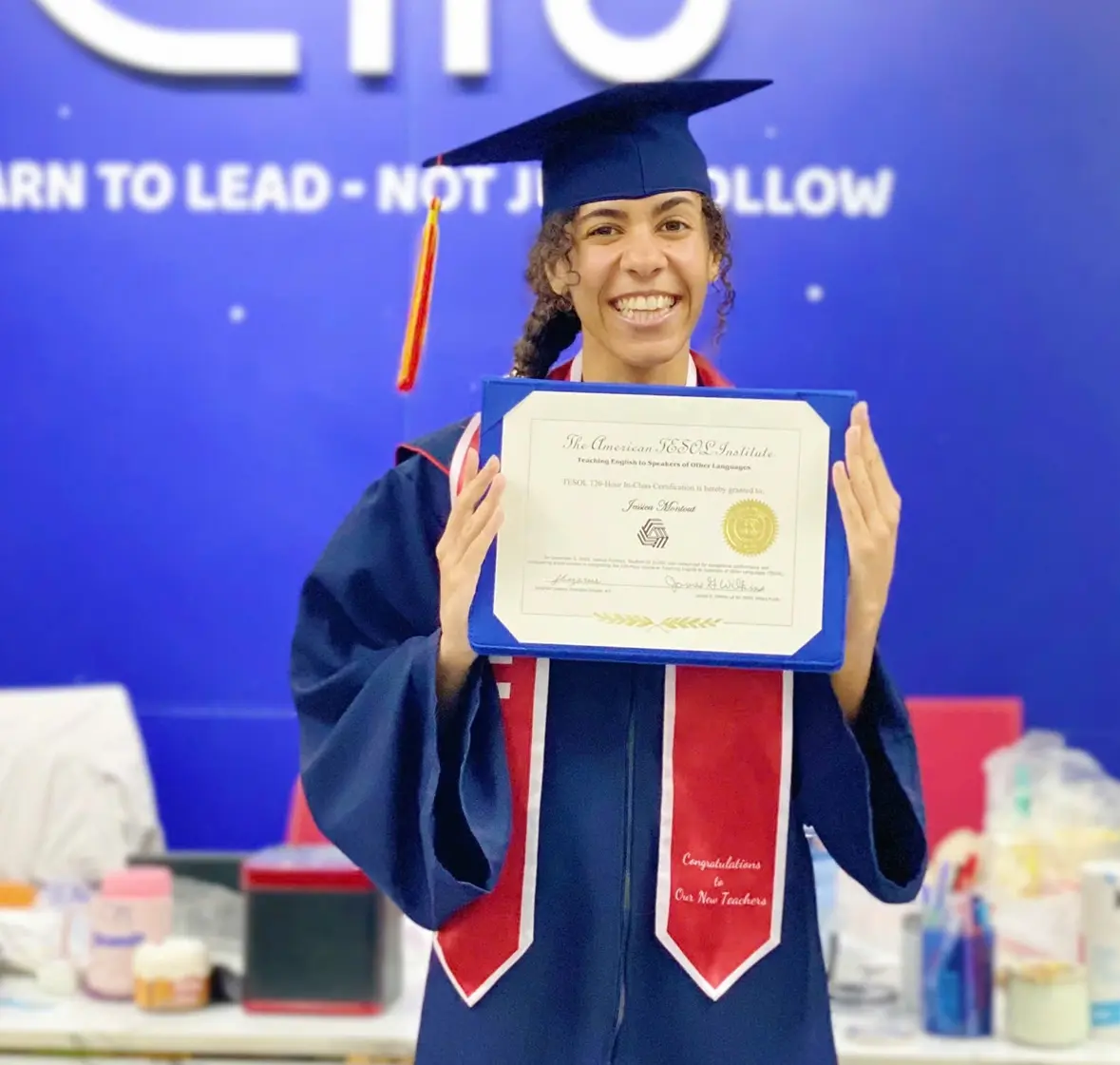
The integration of artificial intelligence in English language teaching has moved from experimental to essential, with specialized tools dominating the landscape in recent years. By mid-2026, platforms like Diffit and Brisk Teaching have become highly recommended for their ability to adapt reading materials across dozens of languages and provide direct feedback within student documents. Education experts advise teachers to use these technologies to handle the mechanical aspects of grading and lesson preparation, preserving their energy for nuanced evaluation and student interaction. The American TESOL Institute highlights that these advancements allow educators to create highly customized, bite-sized lessons that cater to individual student needs. As generative artificial intelligence continues to evolve, teachers are encouraged to collaborate and share their classroom findings to navigate this technological shift effectively.
A significant pedagogical shift gaining traction in 2026 is the embrace of translanguaging in diverse educational settings. Moving away from strict English-only policies, this approach treats a student's native language as a valuable asset rather than a barrier. In practice, educators strategically allow learners to utilize their entire linguistic repertoire, such as discussing complex topics in their first language while reading and presenting the final material in English. For classroom teachers, this means designing activities that carefully balance native language support with target language production. This trend reflects a broader movement toward inclusive teaching methods that respect the diverse backgrounds of international students. By integrating these bilingual strategies, English language professionals can lower student anxiety, improve comprehension of difficult academic concepts, and create a more welcoming environment for displaced or multilingual learners.