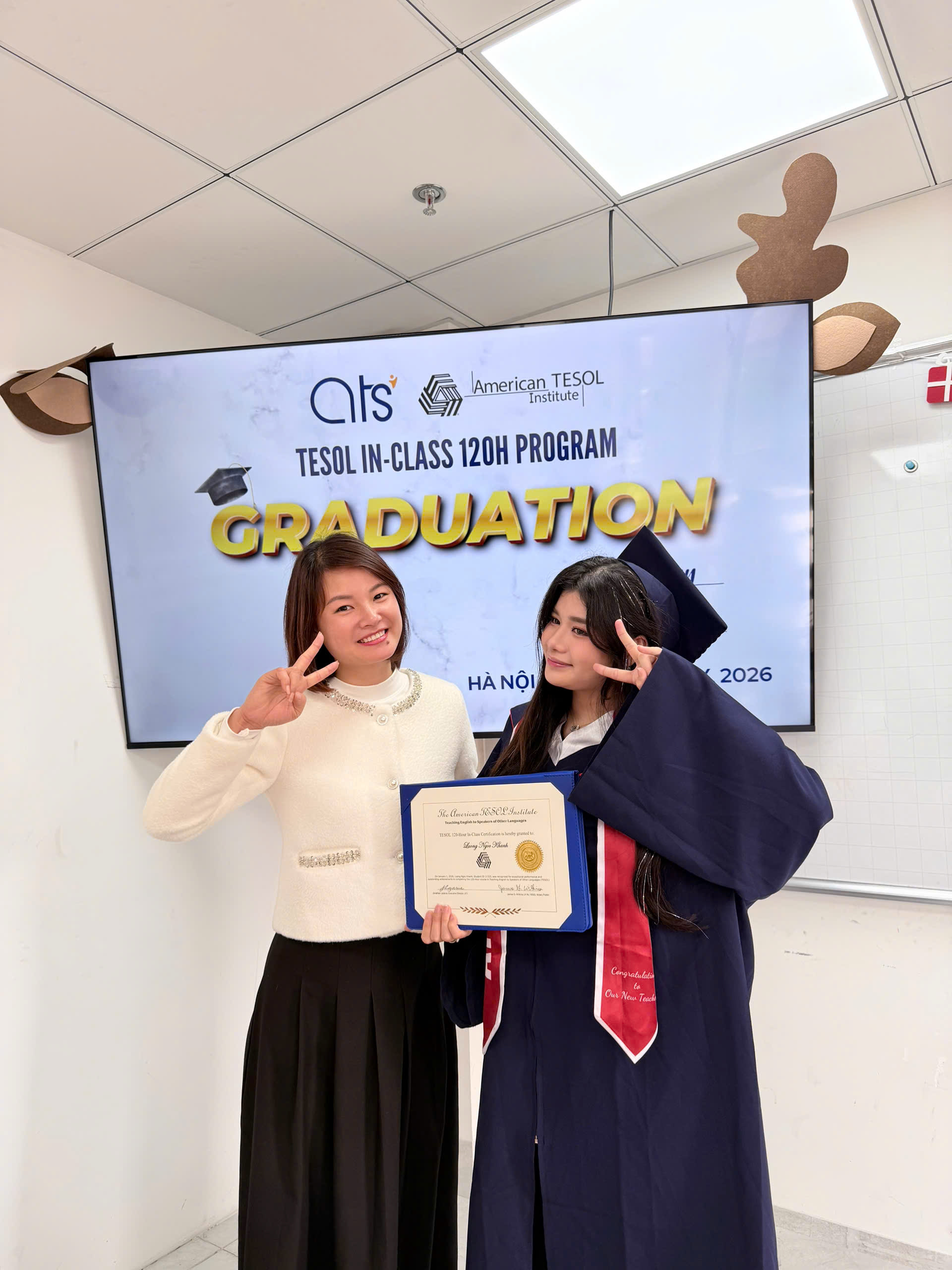
Professional ESL Certification | TESOL Teacher Training | American TESOL
TESOL and ESL certification are terms associated with professional preparation for teaching English to speakers of other languages. Teacher-training programs can help educators develop practical skills in lesson planning, language-teaching methodology, classroom management, assessment, pronunciation, grammar, vocabulary, and the teaching of listening, speaking, reading, and writing.
The terminology used for English language teaching credentials varies around the world. TESOL, TEFL, and ESL may overlap in practice, but a credential's actual requirements and recognition depend on the training provider, employer, school system, country, and type of teaching position.
TESOL & ESL Certification: Quick Facts
- TESOL: Teaching English to Speakers of Other Languages.
- ESL: English as a Second Language.
- TEFL: Teaching English as a Foreign Language.
- Purpose: Teacher training develops knowledge and practical strategies for working with English language learners.
- Typical topics: Methodology, lesson planning, classroom management, language skills, grammar, vocabulary, pronunciation, assessment, and learner needs.
- Teaching contexts: English teachers may work online, abroad, in language schools, educational institutions, tutoring, business settings, or other approved contexts depending on their qualifications.
- Employment: Certification can support professional preparation but does not by itself guarantee a teaching job.
What Is TESOL Certification?
TESOL stands for Teaching English to Speakers of Other Languages. TESOL certification generally refers to teacher training designed to prepare educators to teach English to learners whose primary language is not English.
A TESOL program may cover second-language learning principles, teaching methods, lesson design, classroom management, assessment, language systems, communicative activities, educational technology, and approaches for teaching learners of different ages and proficiency levels.
What Is ESL Certification?
ESL stands for English as a Second Language. The phrase “ESL certification” is used broadly and can refer to different kinds of teacher training or credentials associated with teaching English language learners.
It is important not to assume that every credential described as an ESL certificate has the same requirements or legal standing. In some educational systems, teaching ESL in a public school or regulated institution may require a government-issued teaching license, endorsement, degree, or other qualifications beyond a private TESOL or TEFL certificate.
TESOL vs. ESL vs. TEFL
The terms are related but describe different aspects of English language education.
- TESOL — Teaching English to Speakers of Other LanguagesA broad professional term for teaching English to learners of other languages across different educational and geographic contexts.
- ESL — English as a Second LanguageA term commonly used for English learning and instruction, particularly when learners use English in the wider community, although usage varies by region and institution.
- TEFL — Teaching English as a Foreign LanguageA term commonly associated with teaching English in places where English is not the dominant community language.
In practice, TESOL and TEFL teacher-training programs can cover many of the same core skills. When comparing programs, examine the curriculum, training hours, assessments, provider, intended teaching context, and requirements of prospective employers rather than choosing solely by acronym.
What Do You Learn in TESOL Teacher Training?
Effective English language teaching requires more than knowledge of English. Teachers need strategies for making language understandable, designing purposeful practice, assessing progress, and adapting instruction to learners.
- Language teaching methodologyExplore approaches and techniques for helping learners understand and use English meaningfully.
- Lesson planningConnect learning objectives, instruction, activities, practice, and assessment in coherent lessons.
- Listening and speakingDevelop strategies for comprehension, interaction, pronunciation, fluency, and communicative competence.
- Reading and writingTeach comprehension, literacy, vocabulary, organization, written communication, and appropriate strategies for different texts.
- Grammar and vocabularyTeach language forms in ways that connect structure and meaning with authentic communication.
- Classroom managementOrganize activities, interaction, routines, time, grouping, and expectations to support learning.
- Assessment and feedbackUse appropriate methods to identify learner needs, monitor progress, and provide useful feedback.
- Learner and cultural awarenessAdapt instruction to age, proficiency, goals, educational background, context, and individual learner needs.
Who Can Benefit from TESOL Certification?
TESOL training can be useful for people preparing to teach English for the first time as well as educators who want additional specialization in English language teaching. Learners may include aspiring teachers, tutors, online instructors, educators working with multilingual students, travelers planning to teach abroad, and professionals involved in language education.
Eligibility for an actual teaching position is separate from eligibility for a training program. Employers and government authorities may require degrees, teaching licenses, experience, work authorization, background checks, or other credentials depending on the position and country.
Online TESOL Certification
Online TESOL study can give educators flexibility to complete teacher training around work, school, travel, or other responsibilities. A self-paced format can be particularly useful for learners who want control over when they study.
When evaluating an online program, consider the curriculum, expected study time, assessments, learner support, completion requirements, and how the credential aligns with the type of teaching work you intend to pursue.
Teaching English Online and Abroad
TESOL-trained educators may pursue opportunities in online education and international language teaching. Requirements vary considerably by employer and destination. A TESOL certificate can demonstrate relevant preparation, but applicants should independently verify degree requirements, visas or work authorization, background checks, licensing rules, and employer-specific qualifications.
Explore TESOL jobs and English teaching opportunities and review the requirements of individual positions before applying.
TESOL Certification and Career Support
American TESOL Institute provides TESOL teacher training along with resources designed to help graduates explore English teaching opportunities. Career support can help educators identify opportunities, prepare for applications, and understand different teaching markets.
Employment is ultimately determined by employers and depends on qualifications, experience, legal work eligibility, available positions, interviews, and other requirements. Teacher certification should therefore be viewed as professional preparation rather than an employment guarantee.
Choose a TESOL Certification Program
American TESOL Institute offers training for educators interested in teaching English to speakers of other languages. Explore TESOL certification programs to compare teacher-training options.
When you are ready to begin, register for TESOL certification and start developing practical skills for English language teaching.
TESOL & ESL Certification FAQ
What is TESOL certification?
TESOL certification is teacher training focused on Teaching English to Speakers of Other Languages. Programs commonly address language-teaching methodology, lesson planning, classroom management, language skills, assessment, and adapting instruction for English language learners.
What is ESL certification?
ESL certification is a broad phrase used for training or credentials related to teaching English as a Second Language. The exact meaning, requirements, and recognition of an ESL credential depend on the program, employer, school system, and jurisdiction.
What is the difference between TESOL, TEFL, and ESL?
TESOL means Teaching English to Speakers of Other Languages, TEFL means Teaching English as a Foreign Language, and ESL means English as a Second Language. The terms overlap, but their use varies by teaching context, institution, country, and credential provider.
Does TESOL certification guarantee a teaching job?
No certification by itself guarantees employment. TESOL training can strengthen professional preparation, while hiring depends on the employer, location, qualifications, experience, legal work eligibility, available positions, and other job-specific requirements.