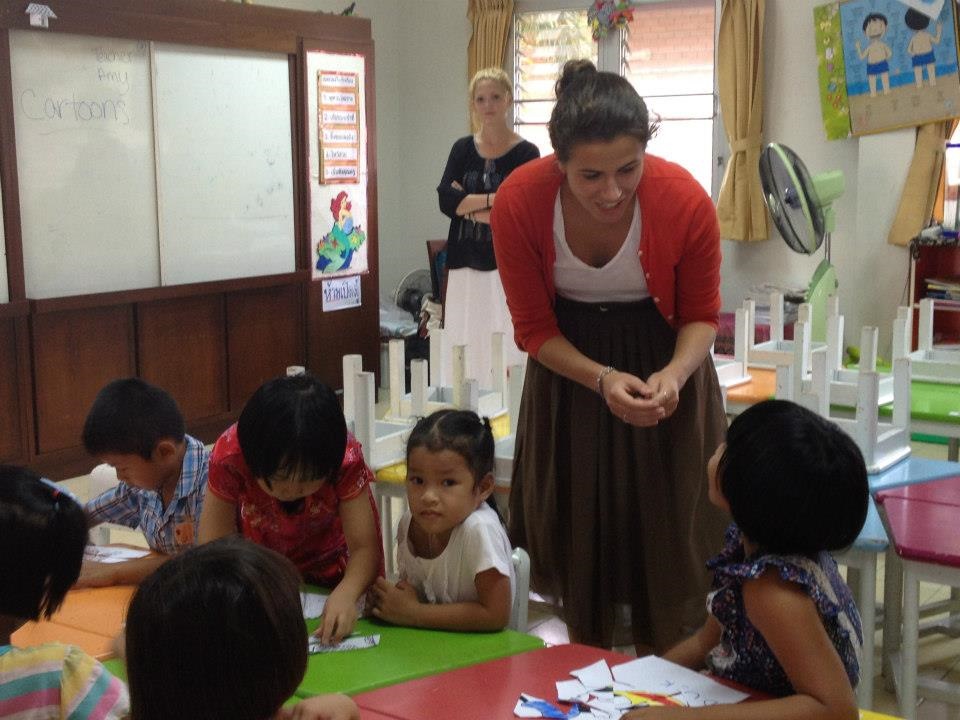
ESL for Children: Teaching English to Young Learners
ESL for Children: Quick Facts
- Focus: Teaching English to children and young English language learners.
- Key areas: Vocabulary, communication, language development, classroom activities, and learner confidence.
- Teaching approaches: Age-appropriate activities using stories, music, art, games, movement, and interactive communication.
- Professional training: American TESOL offers TESOL certification options for educators working with children.
Teaching English to Children
Teaching English to children can be an important part of early language development. Young English language learners often benefit from instruction that combines language practice with meaningful interaction, repetition, movement, stories, music, games, art, and other age-appropriate activities.
Children learning English as a second language may have different levels of vocabulary, listening comprehension, speaking ability, reading development, and prior exposure to English. Effective ESL instruction can help learners develop communication skills while building confidence and creating opportunities to participate in the classroom community.
Teachers working with young English language learners can incorporate creative activities instead of relying exclusively on traditional grammar exercises and written assignments. Songs, storytelling, role-play, picture-based activities, word games, classroom objects, and collaborative projects can give children repeated opportunities to hear and use English in meaningful contexts.
Vocabulary and Language Development
High-frequency vocabulary can provide a useful foundation for early English instruction. Teachers may introduce common words through stories, classroom routines, visual materials, games, and repeated practice. For beginning learners, connecting words with images, actions, objects, and familiar situations can make new vocabulary easier to understand and remember.
Reading activities can also introduce children to frequently occurring English words while developing listening, pronunciation, vocabulary, and comprehension skills. Activities should be adapted to the learner's age, English proficiency, educational setting, and developmental needs.
TESOL Certification for Teaching Children
American TESOL Institute provides TESOL certification and professional development for educators interested in teaching English to speakers of other languages. Training for educators working with children can help teachers develop practical strategies for planning engaging ESL lessons and supporting young English language learners.