
Teach English in Mauritania
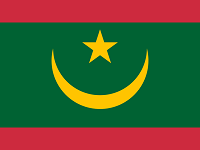
Teaching English in Mauritania can connect educators with English-language learners through schools, language programs, tutoring, professional communication, academic support, and online education depending on the local market and employer requirements.
Requirements and opportunities can change. Use the current information below for timely details about employment conditions, salaries, visas, hiring expectations, and related considerations.
Teaching English in Mauritania: Quick Guide
- Teaching settings: Schools, language programs, tutoring, professional English training, academic support, and online instruction, depending on the local market
- TESOL preparation: TESOL training can help educators develop practical English-language teaching skills
- Employment requirements: Qualifications, work authorization, experience, and employer requirements vary by position
- Current information: Review the section below for current teaching and destination information
Current Teaching English Information for Mauritania
Regional Updates: Teaching English in Mauritania
English teaching in Mauritania is developing within a multilingual education system. Arabic is the official language, French remains important in administration, business, and education, and English is increasingly valued for international study, tourism, technology, development work, and communication with global companies. As a result, demand is strongest in major urban centers, especially Nouakchott, where private language institutes, international schools, universities, and professional training programs serve learners who want practical English skills.
The market is smaller than those in North Africa or the Gulf, so opportunities may not be advertised as frequently or through large international recruitment platforms. However, schools and training centers periodically seek teachers who can support general English, conversation, exam preparation, business communication, and English for specific purposes. Demand can also arise through nongovernmental organizations, diplomatic communities, and businesses connected to mining, energy, logistics, fisheries, and regional trade.
Recent growth in online learning and international employment has made English more attractive to young people and working professionals. Employers often prefer adaptable teachers who can work with mixed-level classes and understand local cultural expectations. French or Arabic ability is not always mandatory, but even basic communication skills can make daily life easier and strengthen a candidate’s appeal. Because conditions and vacancies change quickly, applicants should contact schools directly, monitor reputable education networks, and confirm current travel and security guidance before accepting a position.
Typical Employer and Immigration Requirements
Requirements vary by institution, but a competitive foreign applicant will usually present a bachelor’s degree, an accredited TESOL or TEFL certificate, and some classroom experience. A degree in education, English, linguistics, or a related field can be helpful, although schools may also consider candidates with strong subject knowledge and recognized teaching training. Employers commonly request a current résumé, references, a passport copy, certificate scans, and a short introductory video or demonstration lesson.
Private academies may be flexible about experience, while international schools, universities, and established organizations can expect two or more years of teaching experience. They may also look for evidence of lesson planning, classroom management, digital teaching skills, and the ability to teach children, teenagers, or adults. Native-level English is useful, but clear pronunciation, professional communication, and a learner-focused approach matter more than nationality.
- Employment contract: Obtain a written offer stating salary, teaching hours, accommodation, flights, health coverage, leave, and contract length.
- Work authorization: The hiring organization generally helps coordinate the appropriate work permit or employment authorization. Do not assume that a tourist entry permits paid teaching.
- Entry visa: Visa rules, documentation, and application procedures can change. Confirm requirements with the nearest Mauritanian embassy or consulate and with the employer.
- Supporting documents: You may need a passport with sufficient validity, passport photographs, a police clearance certificate, medical paperwork, authenticated qualifications, and proof of employment.
- Local registration: After arrival, the employer may assist with residence registration or other local formalities. Keep copies of every submitted document.
Never send money to an unverified recruiter or travel without a confirmed contract and clear immigration instructions. Ask who pays visa fees, whether accommodation is private or shared, how salaries are paid, and what support is available in an emergency.
How to Get Hired: A Practical Step-by-Step Guide
1. Build the right qualifications
Complete a respected TESOL course that covers lesson planning, teaching methodology, grammar, assessment, and classroom management. If you need an internationally oriented credential, consider enrolling in an American TESOL certification course. Add first-aid training, child-safeguarding knowledge, or online teaching experience where appropriate.
2. Prepare a targeted application
Create a concise résumé highlighting teaching results, age groups, qualifications, languages, and technology skills. Prepare a professional cover letter that explains why you want to teach in a multilingual environment. Include scanned certificates, references, and a brief sample lesson. Tailor each application to the institution rather than sending one generic message.
3. Research legitimate vacancies
Search language schools, international schools, universities, NGOs, cultural organizations, and professional training providers. Contact reputable institutions directly and use established education networks. Check the school’s website, physical location, reviews, and contract details before sharing sensitive information.
4. Interview and demonstrate your teaching
Expect questions about classroom management, mixed abilities, communicative activities, and adapting lessons to limited resources. Prepare a ten- to fifteen-minute demonstration lesson using simple instructions and achievable learning objectives. Show patience, flexibility, and respect for local customs.
5. Confirm the offer and paperwork
Compare the full compensation package, not only the monthly salary. Clarify housing, transportation, medical care, working hours, holidays, probation, cancellation terms, and payment currency. Once the contract is signed, ask the employer for written visa and work-permit instructions.
6. Use placement support and plan your move
Professional guidance can save time when searching internationally. Explore job placement support with résumé upload to present your credentials to potential employers. Before departure, arrange document copies, appropriate clothing, health supplies, international banking access, and reliable communication with family.
Amazing Things to Do While Teaching There
Living abroad offers memorable experiences beyond the classroom. In Nouakchott, explore local markets, sample traditional dishes, visit craft stalls, and experience the city’s lively blend of desert and coastal cultures. The Atlantic coastline provides opportunities for peaceful walks, photography, and seafood meals, while nearby beaches and fishing communities offer a different perspective on everyday life.
During holidays, consider traveling with a trusted guide to the Adrar region. The desert landscapes around Atar, Chinguetti, and Ouadane feature ancient settlements, historic libraries, dramatic dunes, and extraordinary night skies. The Banc d’Arguin National Park is renowned for coastal scenery and birdlife, while the eye-shaped Richat Structure near Ouadane is an unforgettable geological landmark best visited with careful planning.
Respect local customs, dress modestly, ask permission before photographing people, and use experienced guides for remote journeys. Learning a few Arabic or French phrases, sharing meals with colleagues, and joining local community activities can turn a teaching contract into a genuinely rewarding cultural exchange.
Explore TESOL Courses to Teach in Mauritania



English Education Jobs in Mauritania
Prepare to Teach English in Mauritania
American TESOL Institute provides teacher training for educators interested in teaching English online and abroad. TESOL certification can help develop practical skills in lesson planning, language acquisition, classroom management, teaching methods, and educational technology.
Certification does not by itself guarantee employment, a visa, or work authorization. Hiring eligibility depends on the individual employer, position, qualifications, and applicable requirements. Learn more about American TESOL Institute accreditation and recognition, or explore optional TESOL job-placement support.
Explore English Language Schools in Mauritania
Consular & Travel Resources for Mauritania
Nouadhibou Road, Avenue Al Quds, NOT PRTZ. Nouakchott, Mauritania
Phone: 222-4525-2660