
Teach English in Nicaragua
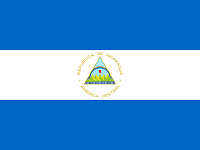
Teaching English in Nicaragua can connect educators with English-language learners through schools, language programs, tutoring, professional communication, academic support, and online education depending on the local market and employer requirements.
Requirements and opportunities can change. Use the current information below for timely details about employment conditions, salaries, visas, hiring expectations, and related considerations.
Teaching English in Nicaragua: Quick Guide
- Teaching settings: Schools, language programs, tutoring, professional English training, academic support, and online instruction, depending on the local market
- TESOL preparation: TESOL training can help educators develop practical English-language teaching skills
- Employment requirements: Qualifications, work authorization, experience, and employer requirements vary by position
- Current information: Review the section below for current teaching and destination information
Current Teaching English Information for Nicaragua
Regional Updates: Teaching English in Nicaragua
Nicaragua continues to offer opportunities for qualified English teachers, especially in Managua, Granada, León, San Juan del Sur, and other areas connected to tourism, international commerce, and education. Demand is supported by the importance of English in hospitality, customer service, travel, technology, and remote work. Private language academies, bilingual schools, universities, community programs, and corporate training providers regularly seek instructors who can help children, teenagers, university students, and working professionals communicate more confidently.
The market is competitive but accessible. Local teachers remain essential, while foreign instructors are often valued for natural fluency, cultural knowledge, pronunciation models, and experience with communicative teaching methods. Candidates who can teach more than general conversation may find additional opportunities in business English, exam preparation, young learner programs, pronunciation, academic writing, or English for tourism. Online and hybrid teaching have also broadened the market, allowing instructors to work with students in multiple cities while living in Nicaragua.
Conditions vary by region and employer. Managua generally provides the largest selection of schools and private institutes, while coastal and colonial destinations may offer a more relaxed lifestyle and seasonal work connected to tourism. Salaries should be considered alongside housing, transportation, class hours, and whether lesson planning or materials preparation is paid. Before accepting an offer, confirm the schedule, teaching location, contract terms, payment method, and expected workload.
What Employers and Immigration Typically Require
Requirements differ between language schools, international schools, universities, and private clients. A bachelor’s degree is preferred by many established employers, particularly schools and institutions that follow formal hiring policies, although some language academies may prioritize teaching ability, English proficiency, and classroom experience. A recognized TESOL or TEFL qualification can substantially strengthen an application, especially for candidates without a degree in education.
- English proficiency: Employers generally expect excellent spoken and written English, clear pronunciation, and the ability to explain grammar and vocabulary accurately.
- Teaching credentials: A TESOL, TEFL, or equivalent certification demonstrates training in lesson planning, classroom management, assessment, and student-centered instruction.
- Professional documents: Prepare a current resume, copies of academic and teaching certificates, references, a passport, and, when requested, a police clearance or background check.
- Classroom readiness: Schools may request a sample lesson, demonstration class, interview, or evidence of experience with specific age groups.
- Immigration compliance: Foreign nationals should enter and work under the correct immigration status. Tourist entry may not authorize paid employment, so confirm current visa, residence, work authorization, registration, and tax requirements with the Nicaraguan consulate, immigration authorities, or the sponsoring employer.
Rules and processing procedures can change, and requirements may depend on nationality, contract length, and employer sponsorship. Do not assume that an informal teaching arrangement is automatically legal. Ask who handles applications, which documents need translation or authentication, and whether you must obtain a local tax or identification number. Keep digital and printed copies of all important records.
How to Get Hired: A Practical Step-by-Step Guide
1. Choose your target teaching market
Decide whether you want to teach young learners, adults, professionals, exam candidates, or private students. Research schools in your preferred city and compare schedules, student ages, pay, transportation, and opportunities for additional classes.
2. Earn a recognized teaching certificate
If you are new to English teaching, complete professional training before applying. You can enroll in an American TESOL certification course to build practical skills in lesson design, classroom management, language development, and teaching methodology. A certificate also gives employers evidence that you are prepared to lead effective classes.
3. Prepare a focused application
Create a concise resume that highlights education, certifications, relevant employment, volunteer work, language abilities, and experience with children or adults. Include a short introduction explaining why you want to teach in the country. Prepare a sample lesson plan and professional references, and use a clear email address and reliable contact details.
4. Apply through several channels
Contact private institutes, bilingual schools, universities, tutoring centers, and international organizations directly. Check reputable education job boards and professional networks, and ask certified teachers about openings. Use American TESOL job placement support and upload your resume to improve access to relevant opportunities and guidance during the search.
5. Interview and demonstrate your teaching
Be ready to explain how you would adapt a lesson for different levels, encourage hesitant speakers, manage mixed-ability classes, and assess progress. During a demonstration, prioritize student participation rather than a long lecture. Ask detailed questions about curriculum, materials, class size, payment, cancellations, and preparation time.
6. Verify the offer and arrange legal documentation
Request written terms before committing. Confirm the employer’s legal status, salary currency, pay dates, working hours, and immigration support. Arrange appropriate entry and work authorization before beginning paid employment, and keep emergency savings while paperwork and housing are finalized.
Amazing Things to Do While Teaching in Nicaragua
Living there offers far more than a teaching schedule. In Granada, explore colorful colonial streets, historic churches, artisan markets, and boat trips through the Islets of Granada on Lake Nicaragua. León is known for murals, museums, lively student culture, and nearby beaches. Both cities provide excellent opportunities to practice Spanish and connect with local communities.
Outdoor adventures are equally memorable. Hike the slopes of Masaya Volcano, watch for activity at active volcanic landscapes, or try volcano boarding on Cerro Negro near León. Visit Ometepe, an island formed by two volcanoes, for hiking, swimming, cycling, and freshwater scenery. Along the Pacific coast, surfers and beach lovers can enjoy destinations such as San Juan del Sur, Popoyo, and Las Peñitas.
Teachers can also explore cloud forests, wildlife reserves, coffee-growing regions, Caribbean culture, and the Corn Islands. Learning local customs, supporting community businesses, and traveling responsibly will make the experience richer. With preparation, flexibility, and a genuine interest in people, teaching English can become a rewarding way to build professional experience while discovering an extraordinary place.
Explore TESOL Courses to Teach in Nicaragua



English Education Jobs in Nicaragua
Prepare to Teach English in Nicaragua
American TESOL Institute provides teacher training for educators interested in teaching English online and abroad. TESOL certification can help develop practical skills in lesson planning, language acquisition, classroom management, teaching methods, and educational technology.
Certification does not by itself guarantee employment, a visa, or work authorization. Hiring eligibility depends on the individual employer, position, qualifications, and applicable requirements. Learn more about American TESOL Institute accreditation and recognition, or explore optional TESOL job-placement support.
Explore English Language Schools in Nicaragua
Consular & Travel Resources for Nicaragua
Kilometer 5 1/2 (5.5) Carretera Sur, in Managua, Nicaragua
Phone: (505) 2252-7100