
Teach English in Croatia
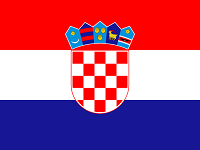
Teaching English in Croatia gives educators an opportunity to work with English-language learners while experiencing the country's distinctive communities, culture, education system, and international connections.
Educators may encounter opportunities through schools, language programs, tutoring, professional English training, online instruction, and other settings depending on qualifications, local demand, and employer requirements.
Requirements and opportunities can change. Use the current Croatia information below for timely details about employment conditions, salaries, visas, hiring expectations, and related considerations.
Teaching English in Croatia: Quick Guide
- Location: Southeastern Europe
- Common education settings: Schools, language programs, tutoring, professional English training, and online instruction, depending on the local market
- TESOL preparation: TESOL training can help educators develop practical English-language teaching skills
- Employment requirements: Qualifications, work authorization, experience, and employer requirements vary by position
- Current information: Review the dynamically updated section below for current job-market, salary, visa, and teaching information
Current Teaching English Information for Croatia
Teaching English in Croatia: Regional Updates and Opportunities
Croatia remains an appealing destination for qualified English teachers, especially those looking for a European lifestyle, coastal scenery, and a manageable teaching market. English is widely studied from an early age, and demand continues across private language schools, international programs, tutoring centers, summer camps, tourism businesses, and corporate training. Zagreb is the largest year-round education hub, while Split, Dubrovnik, Rijeka, Zadar, and Istria offer additional opportunities connected to tourism and international business.
The market is active but generally smaller and more seasonal than those in major Asian teaching destinations. Employers often recruit before the autumn school term and again ahead of the busy summer tourism period. Teachers who can work with children, prepare students for Cambridge or other international examinations, teach business English, or deliver online and hybrid lessons may find more options. Knowledge of Croatian is not normally essential for classroom teaching, although learning basic phrases can help with daily life and build trust with students and colleagues.
Recent changes have also made the country more accessible to international professionals. Croatia uses the euro and is part of the Schengen Area, which can make travel around Europe more convenient. However, Schengen access does not automatically grant the right to work. Foreign teachers should plan their employment, residence, and immigration paperwork carefully before accepting a position.
Requirements for Foreign English Teachers
Qualifications Employers Commonly Request
- A university degree: Many established schools prefer a bachelor’s degree, and it may be particularly important for candidates who need employer-supported immigration. Some tutoring or informal roles may be more flexible.
- A recognized TESOL or TEFL certificate: A qualification with practical methodology and classroom training can strengthen an application, especially for first-time teachers.
- Teaching experience: Previous classroom work is helpful but not always mandatory. Experience with young learners, exam preparation, conversation classes, or business English can improve your prospects.
- Background documentation: Schools may request a passport, references, a police clearance certificate, copies of qualifications, and—when working with children—documents confirming suitability for child-focused employment.
- Professional flexibility: Employers value reliable teachers who can adapt lessons for different ages, use digital tools, and work occasional afternoons, evenings, or Saturdays.
Immigration and Employment Considerations
Citizens of the European Union, European Economic Area, and Switzerland generally have the right to work under European free-movement rules, although registration and local administrative steps may still apply. Non-EU citizens normally need a Croatian employer to support the appropriate residence and work authorization before beginning employment. The exact process can depend on the contract, job category, nationality, and length of stay, so confirm current rules with the Croatian Ministry of the Interior, a consulate, or an experienced immigration professional.
Once hired, you may need a Croatian personal identification number, known as an OIB, a registered address, proof of health coverage, a signed employment agreement, and a local bank account. Do not rely on a tourist stay to perform paid teaching. Ask the school who handles permit applications, which costs are covered, and whether the proposed salary is gross or net. Written details about teaching hours, preparation time, accommodation, vacation, and termination terms are important before you relocate.
How to Get Hired Step by Step
1. Build the Right Credentials
Start with a polished CV that highlights education, TESOL or TEFL training, age groups taught, lesson-planning skills, technology experience, and measurable results. If you are new to teaching, enroll in an American TESOL certification course to develop practical skills and show employers that you are prepared for the classroom.
2. Choose Your Target Market
Decide whether you prefer a large city, a coastal community, or a smaller town. Research language schools, international schools, universities, private tutoring agencies, summer programs, and companies that provide workplace English. Consider the cost of living, transport, expected schedule, and whether seasonal work suits your plans.
3. Prepare an Employer-Ready Application
Use a concise CV, a tailored cover letter, scanned qualification documents, and professional references. A short introductory video or sample lesson can be useful when applying from abroad. Mention your availability, passport status, preferred location, and willingness to complete immigration requirements. Avoid sending the same generic application to every school.
4. Apply Early and Interview Carefully
Contact employers several months before the September academic year and well before summer camps begin. During interviews, ask about class size, curriculum, paid preparation, teaching materials, observation and mentoring, accommodation, transportation, and permit sponsorship. Confirm every important promise in writing.
5. Use Placement Resources and Complete the Paperwork
Broaden your search with American TESOL job placement support and resume upload. After receiving an offer, verify the school’s reputation, sign a clear contract, gather certified documents, and follow the official residence and work-permit process. Keep digital and printed copies of your passport, contract, insurance, police check, and certificates.
6. Prepare for Your First Term
Learn basic Croatian greetings, review local school expectations, and create adaptable lessons for mixed ability levels. Building relationships with colleagues and joining teacher communities can lead to tutoring referrals and future contracts.
Amazing Things to Do While Teaching in Croatia
Living there offers far more than a teaching schedule. In Zagreb, explore the historic Upper Town, museums, cafés, markets, and parks. On the coast, spend weekends swimming in the Adriatic, walking Dubrovnik’s ancient walls, or visiting Diocletian’s Palace in Split. Rijeka and Zadar combine cultural events with easy access to beaches and nearby islands.
- Take a ferry to islands such as Hvar, Brač, Korčula, or Vis.
- Hike through Plitvice Lakes National Park or Krka National Park.
- Explore Istrian hill towns, truffle country, vineyards, and Roman heritage in Pula.
- Try local specialties such as fresh seafood, štrukli, pašticada, and regional wines.
- Use the country’s central location for weekend trips to Slovenia, Italy, Austria, Hungary, Montenegro, or Bosnia and Herzegovina.
With a recognized qualification, realistic expectations, and careful preparation, teaching English in Croatia can provide meaningful work, international experience, and an exceptional base for exploring Europe.
Explore TESOL Courses to Teach in Croatia



English Education Jobs in Croatia
Prepare to Teach English in Croatia
American TESOL Institute provides teacher training for educators interested in teaching English online and abroad. TESOL certification can help develop practical skills in lesson planning, language acquisition, classroom management, teaching methods, and educational technology.
Certification does not by itself guarantee employment, a visa, or work authorization. Hiring eligibility depends on the individual employer, position, qualifications, and applicable requirements. Learn more about American TESOL Institute accreditation and recognition, or explore optional TESOL job-placement support.