
Teach English in Cyprus
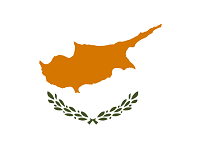
Teaching English in Cyprus gives educators an opportunity to work with English-language learners while experiencing the country's distinctive communities, culture, education system, and international connections.
Educators may encounter opportunities through schools, language programs, tutoring, professional English training, online instruction, and other settings depending on qualifications, local demand, and employer requirements.
Requirements and opportunities can change. Use the current Cyprus information below for timely details about employment conditions, salaries, visas, hiring expectations, and related considerations.
Teaching English in Cyprus: Quick Guide
- Location: Eastern Mediterranean
- Common education settings: Schools, language programs, tutoring, professional English training, and online instruction, depending on the local market
- TESOL preparation: TESOL training can help educators develop practical English-language teaching skills
- Employment requirements: Qualifications, work authorization, experience, and employer requirements vary by position
- Current information: Review the dynamically updated section below for current job-market, salary, visa, and teaching information
Current Teaching English Information for Cyprus
Teaching English in Cyprus: Regional Updates and Opportunities
English remains one of the most valuable foreign languages in Cyprus. It is widely used in tourism, shipping, international business, higher education and hospitality, while many families invest in private language instruction to help children prepare for school examinations and internationally recognized qualifications. As a result, qualified English teachers continue to find opportunities in private language institutes, international schools, summer programs, tutoring centers and corporate training.
Demand is strongest in the larger urban and tourism centers, including Nicosia, Limassol, Larnaca and Paphos. Limassol and Larnaca often attract teachers interested in international business and multicultural communities, while coastal areas can offer seasonal work connected to tourism. Nicosia, the capital, has a particularly active education market and more year-round possibilities. Many schools recruit ahead of the academic year, which generally begins in September, although language centers may also hire in January, during summer courses and before examination periods.
The market is competitive. English is commonly heard in everyday life, so employers typically look for teachers who offer more than native-level conversation. Recognized TESOL or TEFL training, classroom experience, exam preparation skills and the ability to teach engaging lessons can help an applicant stand out. Opportunities and regulations can differ between the internationally recognized Republic of Cyprus and the northern part of the island, so candidates should confirm the location, employer and legal requirements before accepting a position.
What Employers and Immigration Typically Require
Requirements vary by institution, nationality and position, but most reputable employers expect a strong command of English and evidence of professional preparation. A bachelor’s degree is often preferred, and it may be required by some international schools or work-permit applications. A recognized TESOL, TEFL or equivalent certificate is commonly requested, especially for candidates without a teaching degree. Experience with young learners, Cambridge English examinations, IELTS, business English or online learning can improve your prospects.
- A current resume emphasizing teaching, communication and intercultural experience.
- Copies of academic diplomas, teaching credentials and TESOL or TEFL certificates.
- Professional references, and sometimes a teaching demonstration or sample lesson.
- A valid passport and, where requested, a police clearance certificate and medical documentation.
- Verified or apostilled documents if required by the employer or the relevant authorities.
Citizens of European Union and European Economic Area countries generally have fewer barriers to employment and can follow local registration procedures. Applicants from outside the EU normally need an employer willing to support the appropriate work authorization before beginning employment. The employer may need to demonstrate that the position meets local rules, and the teacher may need a signed contract, proof of qualifications, health coverage, a clean criminal record and evidence of accommodation or financial support. Do not begin paid work on a tourist entry status. Immigration rules can change, so confirm current instructions with the employer, the Cyprus Civil Registry and Migration Department, or the nearest embassy before traveling.
Ask for a written contract that explains salary, teaching hours, preparation time, housing or housing assistance, vacation, insurance, transportation and the duration of the position. Clarify whether compensation is monthly or hourly and whether summer or examination work is guaranteed. Careful questions at the beginning can prevent misunderstandings later.
Step-by-Step Guide to Getting Hired
1. Build the right credentials
Begin with a recognized qualification that demonstrates practical classroom skills. If you are new to the profession, enroll in an American TESOL certification course to develop lesson planning, classroom management and language-teaching techniques. A certificate can also give employers confidence that you are ready to teach learners with different ages and abilities.
2. Prepare a Cyprus-ready application
Create a concise resume that lists your education, certification, teaching experience, age groups, exam preparation skills and technology strengths. Add a professional photograph only when appropriate for the local market, and prepare a tailored cover letter explaining why you want to work in the region. Collect digital copies of your passport, degree, certificate, references and police clearance so you can respond quickly to legitimate vacancies.
3. Research employers and apply early
Search private language schools, international schools, tutoring organizations, universities, summer camps and corporate training providers. Apply several months before the September school year, while continuing to monitor openings throughout the year. Use each school’s official website and established recruitment platforms, and verify that an organization has a physical presence and clear employment terms.
4. Strengthen your interview performance
Prepare a short demonstration lesson for the age group you hope to teach. Show how you check understanding, encourage participation and adapt activities for mixed ability levels. Be ready to discuss classroom management, digital tools and examination preparation. Ask informed questions about visas, timetables, class size and paid preparation time.
5. Complete the legal and relocation steps
Once you receive a genuine offer, review the contract carefully and coordinate work authorization with the employer. Do not pay unexplained recruitment fees or surrender your passport. For additional career guidance, you can use American TESOL job placement support and resume upload services. After approval, arrange housing, local banking, transportation and any required registrations before your start date.
Amazing Things to Do While Teaching in Cyprus
Living on the island offers a rewarding balance between work, history and outdoor adventure. Spend a weekend exploring the ancient city-kingdom of Kourion, where hilltop ruins overlook the Mediterranean, or visit Paphos Archaeological Park and its celebrated mosaics. In Nicosia, explore museums, markets and the distinctive old city, then enjoy cafés and galleries in the evening.
Teachers who love nature can hike in the Troodos Mountains, visit mountain villages and discover waterfalls near Platres. Coastal life brings opportunities for swimming, sailing, snorkeling and sunset walks. The beaches around Ayia Napa and Protaras are famous for clear water, while quieter coves near Paphos and the Akamas Peninsula offer beautiful escapes.
Food is another highlight. Share meze with colleagues, sample halloumi and seasonal produce, and experience village festivals that bring music, dance and local traditions together. With thoughtful planning, teaching abroad here can provide professional growth, international friendships and unforgettable travel experiences.
Explore TESOL Courses to Teach in Cyprus



English Education Jobs in Cyprus
Prepare to Teach English in Cyprus
American TESOL Institute provides teacher training for educators interested in teaching English online and abroad. TESOL certification can help develop practical skills in lesson planning, language acquisition, classroom management, teaching methods, and educational technology.
Certification does not by itself guarantee employment, a visa, or work authorization. Hiring eligibility depends on the individual employer, position, qualifications, and applicable requirements. Learn more about American TESOL Institute accreditation and recognition, or explore optional TESOL job-placement support.
Explore English Language Schools in Cyprus
U.S. Embassy Information for Cyprus
Metochiou & Ploutarchou Street 2407, Engomi Nicosia, Cyprus or P.O. Box 24536 1385 Nicosia Cyprus
Phone: (357) 22393939