
Teach English in Puerto Rico
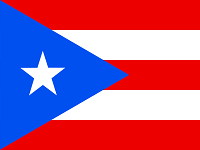
Teaching English in Puerto Rico can connect educators with English-language learners through schools, language programs, tutoring, professional communication, academic support, and online education depending on the local market and employer requirements.
Requirements and opportunities can change. Use the current information below for timely details about employment conditions, salaries, visas, hiring expectations, and related considerations.
Teaching English in Puerto Rico: Quick Guide
- Teaching settings: Schools, language programs, tutoring, professional English training, academic support, and online instruction, depending on the local market
- TESOL preparation: TESOL training can help educators develop practical English-language teaching skills
- Employment requirements: Qualifications, work authorization, experience, and employer requirements vary by position
- Current information: Review the section below for current teaching and destination information
Current Teaching English Information for Puerto Rico
Teaching English in Puerto Rico: Regional Updates and Opportunities
Puerto Rico continues to offer meaningful opportunities for English teachers, especially in schools, language institutes, universities, tutoring programs, and tourism-focused businesses. English is an official language alongside Spanish, and it plays an important role in higher education, aviation, hospitality, healthcare, technology, customer service, and international business. Although Spanish is the language most commonly used in daily life, many residents want stronger English skills for academic, professional, and travel opportunities.
Demand varies by region and by season. San Juan and the surrounding metropolitan area generally provide the largest concentration of employers, including private schools, bilingual academies, test-preparation centers, universities, and corporate training providers. Tourist destinations such as Carolina, Bayamón, Ponce, Mayagüez, and Rincón may also offer opportunities connected to hotels, resorts, tour companies, and adult education. Teachers who can work with children, teenagers, university students, or business professionals may find several possible career paths.
The market is competitive, and positions are not always limited to traditional classroom teaching. Many employers now seek instructors who can deliver online lessons, prepare students for English exams, teach workplace communication, or support bilingual programs. Candidates with a recognized TESOL qualification, classroom experience, digital teaching skills, and an understanding of Spanish-speaking learners can make a stronger impression. Flexibility is valuable because some roles are part-time, contract-based, evening, or split between in-person and online instruction.
Requirements for Foreign English Teachers
Puerto Rico is a U.S. territory, so immigration requirements depend primarily on your citizenship and current legal status. U.S. citizens and lawful permanent residents generally do not need a separate employment visa to accept a teaching position, but they must still complete the employer’s normal hiring process and provide acceptable identification and work-authorization documents.
Teachers who are not U.S. citizens or permanent residents must confirm that their immigration status permits employment in Puerto Rico. A visitor or tourist status normally does not authorize paid work. Depending on the position, an employer may need to sponsor an appropriate employment-based status, or the teacher may need to obtain work authorization through another eligible immigration category. Rules can be complex and may change, so foreign applicants should consult an official U.S. immigration source or a qualified immigration attorney before accepting work or traveling for employment.
Individual employers commonly request a bachelor’s degree, although requirements differ by school and position. A degree in education, English, linguistics, or a related subject can be helpful, but other academic backgrounds may be accepted when combined with teaching experience and professional training. A recognized TESOL, TEFL, or equivalent certificate is often preferred, particularly for language institutes and private education providers.
Applicants should be prepared to provide a résumé, references, copies of degrees and certificates, and evidence of previous teaching experience. Schools may request a background check, identification documents, a health clearance, or official transcripts. Some employers also require a teaching license or local credential for regulated K–12 positions. Strong communication skills, reliability, cultural awareness, and basic Spanish can significantly improve your prospects, even when the job is conducted primarily in English.
How to Get Hired Step by Step
1. Choose your target teaching market
Decide whether you want to teach young learners, adults, exam preparation, business English, university students, or hospitality workers. Research employers in San Juan and other areas that match your preferred schedule, qualifications, and lifestyle. Consider whether you need full-time employment, a portfolio of private lessons, or a combination of classroom and online work.
2. Earn a recognized qualification
If you do not already hold a suitable credential, complete professional training before applying. You can enroll in an American TESOL certification course to develop practical skills in lesson planning, classroom management, language instruction, and assessment. A certificate can help demonstrate commitment and give you useful materials for interviews and trial lessons.
3. Prepare an employer-ready application
Create a concise résumé that highlights teaching experience, age groups served, qualifications, technology skills, and measurable results. Include a professional photograph only when requested, and prepare a short introduction explaining why you want to teach in Puerto Rico. Gather digital copies of your certificate, degree, references, passport or identification, and any work-authorization documents.
4. Apply strategically and network
Contact private schools, language academies, universities, tutoring centers, hotels, and corporate training providers directly. Use professional networking platforms, education job boards, and local contacts. Apply early for positions connected to the academic year, but continue checking listings because language schools and tourism employers may recruit throughout the year.
5. Prepare for interviews and demonstrations
Be ready to teach a short sample lesson and explain how you would support students with different levels of English. Show that you can create engaging activities, use technology appropriately, and respect the local bilingual culture. Ask about pay, hours, class size, curriculum, contract terms, transportation, and whether the employer provides assistance with documentation.
6. Use professional placement support
For additional guidance, explore American TESOL job placement support and résumé upload services. Professional feedback can help you present your qualifications clearly and identify opportunities that fit your goals. Before signing, verify the employer, understand all contract conditions, and confirm that your immigration status authorizes the proposed work.
Enjoying Life as a Teacher in Puerto Rico
Living there offers far more than a teaching schedule. Explore the historic streets, colorful architecture, and museums of Old San Juan, then visit Castillo San Felipe del Morro for ocean views and local history. Spend weekends swimming, snorkeling, surfing, or kayaking along the island’s beaches, including areas near Rincón, Luquillo, and the eastern coast.
Nature lovers can hike through El Yunque National Forest, discover waterfalls, or take a bioluminescent bay tour. Food is another major attraction: sample mofongo, fresh seafood, coffee from the central mountains, and regional pastries. Music, festivals, salsa, art galleries, and community events make it easy to connect with residents and practice Spanish outside the classroom.
With preparation, appropriate work authorization, and a flexible attitude, teaching English can become a rewarding way to build international experience while enjoying the culture, landscape, and welcoming communities of this Caribbean destination.
Explore TESOL Courses to Teach in Puerto Rico



English Education Jobs in Puerto Rico
Prepare to Teach English in Puerto Rico
American TESOL Institute provides teacher training for educators interested in teaching English online and abroad. TESOL certification can help develop practical skills in lesson planning, language acquisition, classroom management, teaching methods, and educational technology.
Certification does not by itself guarantee employment, a visa, or work authorization. Hiring eligibility depends on the individual employer, position, qualifications, and applicable requirements. Learn more about American TESOL Institute accreditation and recognition, or explore optional TESOL job-placement support.
Explore English Language Schools in Puerto Rico
Consular & Travel Resources for Puerto Rico
No country-specific U.S. embassy feed is configured for Puerto Rico on this page. Consult current official U.S. government and appropriate local consular resources before travel.