
Teach English in American Samoa
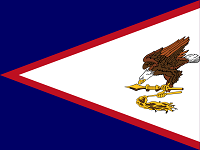
Teaching English in American Samoa gives educators an opportunity to work in a U.S. territory in the South Pacific where both Samoan and English are widely used in education and community life.
TESOL-related work may focus on bilingual and multilingual learners, literacy, academic English, tutoring, school support, and other educational settings rather than conventional English-as-a-foreign-language instruction.
Requirements for English-education positions can change. Use the current American Samoa teaching update below for timely information about employment conditions, salaries, visas, hiring expectations, and related considerations.
Teaching English in American Samoa: Quick Guide
- Location: American Samoa, South Pacific
- Common education settings: Schools, language programs, tutoring, professional English training, and online instruction, depending on the local market
- TESOL preparation: TESOL training can help educators develop practical English-language teaching skills
- Employment requirements: Qualifications, work authorization, experience, and employer requirements vary by position
- Current information: Review the dynamically updated section below for current job-market, salary, visa, and teaching information
Current Teaching English Information for American Samoa
Regional Updates: English Teaching in American Samoa
English remains an essential language in American Samoa’s schools, government, tourism, healthcare, and business sectors. Samoan is central to community life and identity, while English is widely used as a language of instruction and opportunity. This creates a strong need for teachers who can help learners build practical communication, reading, writing, and academic English skills.
Teaching demand is found across public schools, private schools, early-childhood programs, community education, tutoring services, and occasional adult-language initiatives. Vacancies can be especially relevant for qualified teachers in English, English as a second language, special education, elementary education, and hard-to-staff subjects. Demand changes from year to year, and the number of openings may be limited because the population and school system are relatively small. Applicants should check current vacancies directly with the American Samoa Department of Education, individual schools, and reputable recruitment organizations rather than relying on outdated job listings.
Teachers who succeed in the region are usually adaptable, respectful of local culture, and comfortable working in a close-knit island community. Experience with multilingual learners, culturally responsive teaching, classroom technology, and small-group instruction can strengthen an application. A recognized TESOL qualification may also be valuable for candidates who want to teach English language learners or pursue private tutoring opportunities.
What Employers and Immigration Authorities Typically Require
Requirements vary according to the school, role, and applicant’s citizenship. Most professional teaching positions expect a bachelor’s degree or equivalent academic qualification. Schools may also prefer a state or national teaching license, classroom experience, and training in TESOL, TEFL, English language teaching, or a related field. Some positions accept a TESOL certificate for language instruction, while licensed K–12 roles may require formal teacher certification and additional subject credentials.
Expect to provide a current résumé, university transcripts, copies of degrees and certificates, professional references, and a valid passport or government identification. Employers commonly request a criminal background check, medical clearance, immunization records, and a completed employment application. Public-school positions may involve local certification, interviews, fingerprinting, safeguarding checks, or verification of previous teaching experience. Requirements can also include proof of English proficiency when English is not your first language.
Immigration and employment permission must be confirmed before accepting a position. United States citizens and permanent residents generally have different documentation requirements from other foreign nationals, but all applicants should follow the instructions of the hiring organization and local authorities. Non-U.S. citizens may need an appropriate entry authorization, work permit, or immigration approval connected to the employer and contract. Do not assume that a tourist or visitor entry status permits paid teaching.
Ask the employer who is responsible for sponsorship, what documents must be submitted, whether the role includes housing or travel assistance, and how long approval may take. Immigration policies, local procedures, and school requirements can change, so verify details with the relevant American Samoa authorities and obtain professional advice when necessary.
Step-by-Step Guide to Getting Hired
- Assess your qualifications. Review your degree, teaching license, classroom experience, English-language background, and availability. If you are new to the field, a recognized TESOL qualification can demonstrate practical preparation.
- Complete professional training. Build skills in lesson planning, language assessment, classroom management, pronunciation, and teaching multilingual learners by enrolling in an American TESOL certification course. Keep digital and printed copies of your certificate for applications.
- Prepare an application portfolio. Create a focused résumé highlighting measurable teaching achievements, age groups taught, subjects, technology skills, and cultural or international experience. Gather references, transcripts, certificates, background-check documents, and a short teaching statement.
- Research legitimate employers. Monitor education department announcements, school websites, recruitment agencies, and professional networks. Confirm the school’s contact details and be cautious of recruiters who request large payments, promise guaranteed visas, or refuse to provide a written contract.
- Apply and interview carefully. Explain how you would support bilingual learners, respect Samoan culture, involve families, and adapt lessons to available resources. Ask about class size, curriculum, salary, housing, transportation, insurance, holidays, contract length, and expected duties.
- Use placement assistance. For guidance with applications and access to job placement support and résumé upload services, submit your information early and keep your profile updated. Placement support does not replace checking an employer’s legitimacy or confirming work authorization.
- Complete legal and practical arrangements. Once you receive a written offer, confirm the contract, immigration process, background checks, medical requirements, flights, accommodation, banking, and arrival instructions before traveling.
Amazing Things to Do as a Teacher Living There
Life outside the classroom offers remarkable opportunities to explore a tropical Pacific environment. The National Park of American Samoa features rainforest trails, dramatic coastal scenery, coral reefs, and culturally significant villages. Hiking toward Mount Alava provides expansive views over Pago Pago Harbor, while guided walks can help newcomers understand local history and ecology.
Teachers can spend weekends snorkeling, swimming, kayaking, fishing, or visiting beaches and reefs around Tutuila. A trip to Ofu is especially memorable for its clear water and renowned coral reef, although travel requires planning around flights and weather. Island conditions can change quickly, so use local guidance and follow ocean-safety advice.
Community participation is one of the most rewarding parts of the experience. Attend cultural events when invited, learn basic Samoan greetings, sample local food, visit markets, and take time to build respectful relationships with colleagues and families. With an open mind, a teaching position can become both a meaningful professional opportunity and an unforgettable island adventure.
Explore TESOL Courses to Teach in American Samoa



English Education Jobs in American Samoa
Prepare to Teach English in American Samoa
American TESOL Institute provides teacher training for educators interested in teaching English online and abroad. TESOL certification can help develop practical skills in lesson planning, language acquisition, classroom management, teaching methods, and educational technology.
Certification does not by itself guarantee employment, a visa, or work authorization. Hiring eligibility depends on the individual employer, position, qualifications, and applicable requirements in American Samoa. Learn more about American TESOL Institute accreditation and recognition, or explore optional TESOL job-placement support.
Explore English Language Schools in American Samoa
U.S. Embassy Information for American Samoa
5th Floor ACC Building Matafele Apia, Samoa
Phone: +685 21436