
Teach English in Papua New Guinea
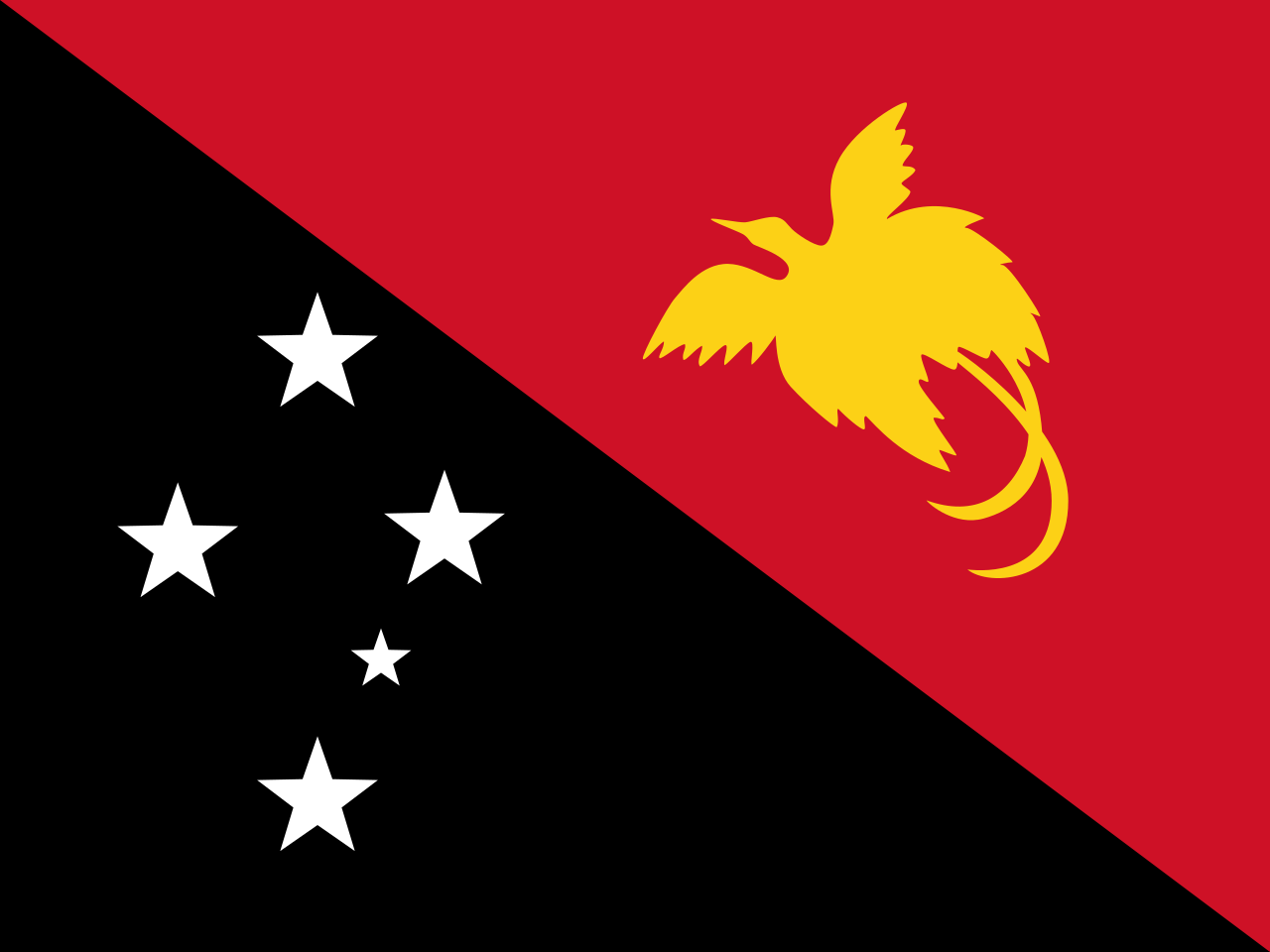
Teaching English in Papua New Guinea can connect educators with English-language learners through schools, language programs, tutoring, professional communication, academic support, and online education depending on the local market and employer requirements.
Requirements and opportunities can change. Use the current information below for timely details about employment conditions, salaries, visas, hiring expectations, and related considerations.
Teaching English in Papua New Guinea: Quick Guide
- Teaching settings: Schools, language programs, tutoring, professional English training, academic support, and online instruction, depending on the local market
- TESOL preparation: TESOL training can help educators develop practical English-language teaching skills
- Employment requirements: Qualifications, work authorization, experience, and employer requirements vary by position
- Current information: Review the section below for current teaching and destination information
Current Teaching English Information for Papua New Guinea
Teaching English in Papua New Guinea: Regional Updates and Opportunities
Papua New Guinea offers meaningful opportunities for qualified English teachers who want to work in a culturally diverse Pacific nation. English is an official language and is used in government, education, business, law, and many professional settings. Tok Pisin and Hiri Motu are also widely spoken, while hundreds of local languages reflect the country’s remarkable cultural diversity.
Demand for effective English instruction remains strongest in schools, international education programs, private learning centers, and communities outside the major urban areas. Port Moresby, Lae, and other regional centers have the largest concentration of established schools and employers, but teachers may also find opportunities in smaller towns and remote communities. Access to education, teacher distribution, and consistent learning resources can vary significantly between regions, creating an ongoing need for adaptable educators.
International schools and private institutions often seek teachers who can deliver structured lessons in English, support multilingual learners, and contribute to extracurricular activities. Some positions focus on primary or secondary education, while others involve English as an additional language, literacy development, teacher training, or academic support. Conditions and recruitment activity change from year to year, so candidates should check current vacancies, confirm the location and duties carefully, and communicate directly with prospective employers.
Typical Requirements for Foreign English Teachers
Requirements depend on the employer, age group, and type of school. A bachelor’s degree is commonly preferred and may be essential for international schools or formal classroom teaching positions. Employers frequently look for a recognized teaching license, classroom experience, and a TESOL or TEFL qualification. An American TESOL Institute certificate can help demonstrate training in lesson planning, language skills, classroom management, and teaching students from different linguistic backgrounds.
For English language positions, a degree in education, English, linguistics, or a related field can strengthen an application. Schools may also value experience with the Cambridge curriculum, International Baccalaureate, primary education, special educational needs, examination preparation, or educational technology. A strong command of spoken and written English, flexibility, cultural awareness, and the ability to work with limited resources are especially important.
Foreign teachers generally need an employer willing to support the appropriate immigration process. Depending on the position, this can involve a job offer, sponsorship or nomination, a work permit, and an entry visa or residence authorization. Requirements can include a valid passport, signed employment contract, academic certificates, professional references, a police clearance certificate, medical documentation, and proof of relevant experience. Teachers should confirm the current rules with their employer and the official Papua New Guinea immigration authorities before making travel arrangements.
Some school roles may require recognition of qualifications or approval from an education authority. Never assume that a tourist or visitor entry permission allows paid employment. Ask who is responsible for each application, which documents must be notarized or authenticated, and whether the employer provides assistance with accommodation, transportation, health coverage, flights, or relocation expenses.
Step-by-Step Guide to Getting Hired
1. Choose the right teaching pathway
Decide whether you want to teach young learners, secondary students, adult English learners, or international-school subjects. Review your degree, teaching experience, preferred age group, and willingness to work in an urban or regional setting. Clear goals will help you target suitable vacancies instead of applying broadly to positions that do not match your background.
2. Complete credible training
If you need an internationally oriented TESOL qualification, consider enrolling in an American TESOL certification course. Training can strengthen your teaching portfolio and give you practical methods for working with multilingual learners. Add classroom observations, volunteer teaching, tutoring, or online instruction where possible.
3. Prepare a professional application
Create a focused resume that highlights degrees, licenses, TESOL training, teaching results, technology skills, age groups taught, and international experience. Prepare a concise cover letter explaining why you want to teach in Papua New Guinea. Collect scanned copies of certificates, references, passport identification pages, police checks, and other documents so you can respond quickly when an employer requests them.
4. Search and apply strategically
Look at international schools, private academies, education providers, development programs, and reputable recruitment services. You can also use American TESOL Institute job placement support and resume upload services to present your qualifications to potential employers. Apply early, tailor every application, and verify the school’s identity, contract terms, salary currency, teaching schedule, and location.
5. Complete interviews and checks
Be ready to discuss lesson planning, classroom discipline, assessment, inclusive teaching, and how you would adapt materials when resources are limited. Ask practical questions about housing, safety, medical care, internet access, transportation, leave, flights, and emergency support. If selected, review the written contract before paying fees or accepting responsibility for immigration costs.
6. Organize immigration and arrival
Work with the sponsoring employer to submit the correct applications. Keep digital and printed copies of all documents, obtain recommended vaccinations and insurance, and learn basic Tok Pisin phrases. A respectful, patient approach will help you build trust with students, colleagues, families, and community leaders.
Amazing Things to Do While Teaching in Papua New Guinea
Living there can be as rewarding outside the classroom as it is during the school day. Teachers can explore coral reefs, tropical coastlines, mountain landscapes, and culturally significant communities. Depending on local conditions and professional guidance, popular experiences include snorkeling or diving around Kimbe Bay, Milne Bay, or nearby island areas, where marine life and reefs are exceptional.
- Discover Port Moresby: Visit the National Museum and Art Gallery, explore the Nature Park, and enjoy views from coastal areas such as Ela Beach.
- Experience the Highlands: Travel to regions around Mount Hagen or Goroka to see dramatic scenery, agricultural communities, and traditional cultural celebrations when events are operating.
- Explore history and nature: Learn about World War II history, visit local markets with knowledgeable guides, and enjoy birdwatching in forested areas.
- Travel responsibly: Use trusted local guides, follow employer and government safety advice, respect photography permissions, and check current conditions before visiting remote locations.
With preparation, cultural humility, and the right qualifications, teaching English in Papua New Guinea can provide professional growth, memorable relationships, and an opportunity to contribute to education in communities that value dedicated teachers.
Explore TESOL Courses to Teach in Papua New Guinea



English Education Jobs in Papua New Guinea
Prepare to Teach English in Papua New Guinea
American TESOL Institute provides teacher training for educators interested in teaching English online and abroad. TESOL certification can help develop practical skills in lesson planning, language acquisition, classroom management, teaching methods, and educational technology.
Certification does not by itself guarantee employment, a visa, or work authorization. Hiring eligibility depends on the individual employer, position, qualifications, and applicable requirements. Learn more about American TESOL Institute accreditation and recognition, or explore optional TESOL job-placement support.
Explore English Language Schools in Papua New Guinea
Consular & Travel Resources for Papua New Guinea
Harbour City Road Port Moresby, NCD Papua New Guinea
Phone: +675-308-9100