
Teach English in Moldova
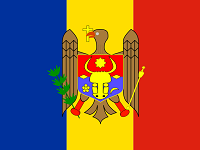
Teaching English in Moldova can connect educators with English-language learners through schools, language programs, tutoring, professional communication, academic support, and online education depending on the local market and employer requirements.
Requirements and opportunities can change. Use the current information below for timely details about employment conditions, salaries, visas, hiring expectations, and related considerations.
Teaching English in Moldova: Quick Guide
- Teaching settings: Schools, language programs, tutoring, professional English training, academic support, and online instruction, depending on the local market
- TESOL preparation: TESOL training can help educators develop practical English-language teaching skills
- Employment requirements: Qualifications, work authorization, experience, and employer requirements vary by position
- Current information: Review the section below for current teaching and destination information
Current Teaching English Information for Moldova
Regional Updates: English Teaching in Moldova
English teaching in Moldova remains a promising option for qualified international educators. Demand is strongest in Chișinău, where private language schools, international programs, tutoring centers, and corporate training providers serve students of all ages. Smaller cities and rural communities also need English instruction, although opportunities may be more limited and salaries can vary by location.
Several regional trends are supporting continued demand. Young people are studying English for university admission, international employment, travel, and access to technology and global media. Employers in information technology, customer service, tourism, logistics, and business increasingly view practical English as an essential workplace skill. Moldova’s closer engagement with European institutions and international organizations is also encouraging schools and professionals to strengthen foreign-language education.
Most vacancies are found in private academies, after-school programs, international schools, and one-to-one tutoring. Some employers offer blended or online teaching, while others combine classroom lessons with conversation clubs and exam preparation. Public-school positions may involve more formal procedures and modest compensation, but they can provide valuable cultural immersion and meaningful community involvement. Teachers who can work with children, teenagers, business professionals, or exam candidates may find the widest range of opportunities.
Requirements for Foreign English Teachers
Employers typically look for a university degree and a recognized TEFL or TESOL qualification. A degree in education, English, linguistics, or a related field can be helpful, but many private schools also consider applicants with other academic backgrounds if they have strong teaching skills and relevant certification. Classroom experience is an advantage, especially for positions involving young learners, Cambridge examinations, IELTS preparation, or business English.
Schools commonly request a professional resume, copies of academic and teaching certificates, references, and a passport copy. A criminal background check or police clearance may be required, particularly when working with children. Employers may also ask for a video interview, a sample lesson, or a demonstration class. Native-level English is valued, but clear pronunciation, cultural sensitivity, reliability, and the ability to explain grammar are often more important than nationality.
Immigration requirements depend on citizenship, the length of the assignment, and the type of employer. Foreign teachers should confirm whether they need an entry visa, work authorization, temporary residence permit, or registration after arrival. In many cases, the hiring organization provides an employment contract and assists with the relevant application. Applicants should never begin paid work until they understand their legal status and have received the required authorization.
Procedures can change, so verify current information with the Moldovan embassy or consulate, the employer, and the national immigration authorities. Keep original documents, certified translations, passport photographs, proof of accommodation, insurance details, and financial records available when requested. A written contract should clearly explain salary, teaching hours, payment dates, housing or travel assistance, vacation, and responsibilities outside the classroom.
How to Get Hired: A Practical Step-by-Step Guide
- Assess your profile. Review your degree, classroom experience, age-group preferences, technology skills, and availability. Identify whether you want a full-time school role, private tutoring, corporate training, or a combination.
- Earn a recognized qualification. If you need formal preparation, consider enrolling in an American TESOL certification course. Training in lesson planning, classroom management, grammar, assessment, and teaching online can make your application more competitive.
- Prepare a targeted application. Create a concise resume emphasizing measurable teaching results, certifications, subjects taught, and experience with multilingual learners. Add a professional photo only when appropriate, and prepare a short cover letter explaining why you want to teach in the region.
- Research legitimate employers. Check language schools, international schools, tutoring companies, universities, and reputable job boards. Compare contracts carefully and be cautious of employers requesting large upfront fees or asking you to work without authorization.
- Apply and demonstrate your teaching. Submit customized applications rather than sending the same message everywhere. Be ready for an online interview and a short demo lesson. Show student-centered activities, clear instructions, and an ability to adapt materials to different levels.
- Use professional placement resources. For additional guidance, resume review, and access to job placement support with resume upload, submit your details through the American TESOL Institute service.
- Confirm the offer and paperwork. Request the complete contract, clarify legal sponsorship, and ask who pays for permits, translations, transportation, and accommodation. Keep digital and printed copies of every document before traveling.
- Prepare for arrival. Learn basic Romanian phrases, become familiar with local transport and banking, and plan a realistic start-up budget. Connecting with other teachers can help you settle in quickly and discover tutoring opportunities.
Amazing Things to Do While Living and Teaching There
Living in Moldova offers an affordable and rewarding base for exploring Eastern Europe. In Chișinău, teachers can enjoy leafy parks, independent cafés, open-air markets, museums, and a growing cultural scene. The National Museum of History and the village-style exhibits at the National Museum of Ethnography provide useful introductions to local heritage.
Wine lovers can visit famous underground cellars at Cricova and Mileștii Mici, where guided tours explain the country’s long winemaking tradition. The Orheiul Vechi archaeological and natural complex combines limestone cliffs, monasteries, rural landscapes, and hiking routes. Tipova and Saharna are also popular for waterfalls, scenic walks, and historic religious sites.
Weekend trips can include the fortress at Soroca, the Dniester riverside, traditional villages, and seasonal festivals featuring music and regional cuisine. Teachers can sample dishes such as plăcinte, mămăligă, zeamă, and local fruit preserves while practicing Romanian or Russian with new friends. With its welcoming communities, manageable travel distances, and growing need for English skills, the country can be an excellent destination for teachers seeking professional experience and genuine cultural connection.
Explore TESOL Courses to Teach in Moldova



English Education Jobs in Moldova
Prepare to Teach English in Moldova
American TESOL Institute provides teacher training for educators interested in teaching English online and abroad. TESOL certification can help develop practical skills in lesson planning, language acquisition, classroom management, teaching methods, and educational technology.
Certification does not by itself guarantee employment, a visa, or work authorization. Hiring eligibility depends on the individual employer, position, qualifications, and applicable requirements. Learn more about American TESOL Institute accreditation and recognition, or explore optional TESOL job-placement support.