
Teach English in Bolivia
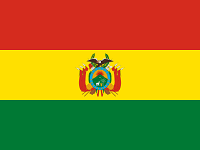
Teaching English in Bolivia gives educators an opportunity to experience a multilingual South American country shaped by Andean highlands, Amazonian lowlands, historic cities, and diverse Indigenous cultures.
Educators may encounter opportunities through schools, language programs, tutoring, professional English training, online instruction, and other settings depending on qualifications, local demand, and employer requirements.
Requirements and opportunities can change. Use the current Bolivia information below for timely details about employment conditions, salaries, visas, hiring expectations, and related considerations.
Teaching English in Bolivia: Quick Guide
- Location: South America
- Common education settings: Schools, language programs, tutoring, professional English training, and online instruction, depending on the local market
- TESOL preparation: TESOL training can help educators develop practical English-language teaching skills
- Employment requirements: Qualifications, work authorization, experience, and employer requirements vary by position
- Current information: Review the section below for current teaching and destination information
Current Teaching English Information for Bolivia
Teaching English in Bolivia: Regional Updates and Opportunities
English teaching in Bolivia continues to grow as schools, universities, language institutes, tourism businesses, and international companies respond to increasing global connections. While Spanish remains the dominant language, English is valued by students preparing for higher education, careers in international business, aviation, hospitality, technology, and remote work. Demand is especially visible in major urban centers, although opportunities also appear in smaller cities and communities.
La Paz and Santa Cruz de la Sierra generally offer the widest selection of language schools and private classes. La Paz attracts learners interested in tourism, government, diplomacy, and international development, while Santa Cruz has a strong commercial sector and a growing expatriate community. Cochabamba is also a popular destination for teachers because of its universities, moderate climate, and active network of private institutes. Sucre may provide a slower-paced setting with opportunities connected to education and tourism.
Employers increasingly look for teachers who can provide communicative, practical lessons rather than grammar instruction alone. Conversation classes, exam preparation, business English, children’s programs, and online or blended courses are common areas of demand. Salaries are usually lower than in East Asia, the Gulf, or Western Europe, but everyday expenses can also be comparatively affordable. Teaching English in Bolivia can therefore be particularly rewarding for educators who value cultural immersion, flexible lifestyles, and meaningful relationships with learners.
What Employers and Immigration Typically Require
Requirements vary by employer, city, age group, and school type. International schools and established language centers may prefer a bachelor’s degree, previous classroom experience, and a recognized TESOL or TEFL qualification. Private institutes can be more flexible, especially when hiring teachers with strong English proficiency, an engaging teaching style, and reliable references. A degree is not always required for every position, but having one can expand your options and strengthen an application.
- English proficiency: Native-level or highly advanced English is commonly expected, together with clear pronunciation and the ability to explain language simply.
- Teaching certification: A TESOL, TEFL, or equivalent credential demonstrates training in lesson planning, classroom management, assessment, and teaching methodology.
- Professional documents: Prepare a current resume, scanned passport, degree or academic records, teaching certificate, references, and a professional photograph when requested.
- Background checks: Some schools, especially those serving children, may request a criminal background check or other safeguarding documentation.
- Legal authorization: Foreign teachers must follow current immigration rules and should not assume that a tourist entry automatically permits paid employment.
Visa and work-permit procedures can change, and requirements may differ according to nationality, contract length, and the employer’s status. Before accepting a position, ask who handles registration, whether the school provides a written contract, and what documents are needed for legal work authorization. Confirm current information with the nearest Bolivian consulate, immigration authorities, or a qualified local adviser. Keep copies of your passport, entry records, contract, and credentials, and avoid paying substantial recruitment fees without verifying the organization.
How to Get Hired Step by Step
- Choose your target location and student group. Decide whether you prefer a major city, a smaller community, children, university students, professionals, or private learners. Your choice will shape your budget, schedule, and job search.
- Earn a recognized teaching qualification. If you do not already hold a TESOL or TEFL certificate, enroll in an American TESOL certification course. Training can help you compete for reputable positions and prepare practical lessons before you arrive.
- Build a targeted application package. Write a concise resume highlighting teaching, tutoring, coaching, public speaking, childcare, or international experience. Add a brief cover letter explaining why you want to teach in the region and what age groups you can serve.
- Collect supporting materials. Scan your passport identification page, certificate, degree, references, and background check if available. A short sample lesson plan or demonstration video can be useful when an employer hires remotely.
- Search through reliable channels. Contact language institutes, international schools, universities, community programs, and established online teaching companies. You can also use American TESOL job placement support and resume upload services to present your qualifications and explore suitable openings.
- Interview and demonstrate your teaching. Be ready to conduct a short lesson, explain how you support mixed-level learners, and describe techniques for encouraging reluctant speakers. Ask about class size, curriculum, materials, pay dates, preparation time, and cancellation policies.
- Review the contract and immigration plan. Confirm salary, teaching hours, housing or transportation assistance, vacation, health coverage, and the process for obtaining permission to work. Do not begin paid teaching until you understand your legal status.
- Prepare for arrival. Budget for initial accommodation, transportation, document fees, and possible delays in receiving your first payment. Learning basic Spanish will make daily life easier and help you connect respectfully with colleagues, families, and students.
Amazing Things to Do While Living There
Life outside the classroom offers extraordinary opportunities for exploration. In La Paz, teachers can visit colorful markets, explore museums and colonial streets, and take the Mi Teleférico cable cars for sweeping views of the surrounding mountains. A weekend at Lake Titicaca can combine scenic villages, local traditions, and time on one of the world’s highest navigable lakes.
Adventure seekers can cycle the famous Yungas route, hike near the Cordillera Real, or visit the dramatic landscapes of Sajama National Park. Around Uyuni, the vast salt flats create unforgettable sunrise and sunset experiences, while nearby lagoons and volcanic scenery make the region ideal for a longer trip. In the east, Santa Cruz provides access to tropical parks, wildlife, and the historic Jesuit missions of Chiquitos.
Teachers can also enjoy Sucre’s elegant architecture, Cochabamba’s food culture and nearby hikes, local festivals, artisan markets, and community events. By combining professional development with responsible travel, you can gain classroom experience, build international friendships, and create a memorable chapter of life abroad.
Explore TESOL Courses to Teach in Bolivia



English Education Jobs in Bolivia
Prepare to Teach English in Bolivia
American TESOL Institute provides teacher training for educators interested in teaching English online and abroad. TESOL certification can help develop practical skills in lesson planning, language acquisition, classroom management, teaching methods, and educational technology.
Certification does not by itself guarantee employment, a visa, or work authorization. Hiring eligibility depends on the individual employer, position, qualifications, and applicable requirements. Learn more about American TESOL Institute accreditation and recognition, or explore optional TESOL job-placement support.