
Teach English in Algeria
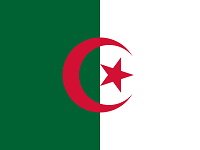
Teaching English in Algeria gives educators an opportunity to experience a North African country extending from the Mediterranean coast into the Sahara, with a multilingual environment shaped by Arabic, Tamazight, French, and increasing international use of English.
English-language instruction can support students and professionals interested in academic study, international communication, technology, business, and travel through schools, universities, language centers, tutoring, professional training, and online learning.
Requirements for English-education positions can change. Use the current Algeria teaching update below for timely information about employment conditions, salaries, visas, hiring expectations, and related considerations.
Teaching English in Algeria: Quick Guide
- Location: Algeria, North Africa
- Common education settings: Schools, language programs, tutoring, professional English training, and online instruction, depending on the local market
- TESOL preparation: TESOL training can help educators develop practical English-language teaching skills
- Employment requirements: Qualifications, work authorization, experience, and employer requirements vary by position
- Current information: Review the dynamically updated section below for current job-market, salary, visa, and teaching information
Current Teaching English Information for Algeria
Regional Updates: Teaching English in Algeria
English teaching in Algeria is becoming more important as students, professionals, and businesses connect with international education, technology, tourism, energy, and trade. French remains widely used in administration and education, and Arabic is central to daily life, but English is increasingly viewed as the language of global opportunity. Many families want their children to develop stronger speaking and listening skills, while university students and professionals often need English for research, conferences, certification, and international communication.
Demand is strongest in major urban areas such as Algiers, Oran, Constantine, Annaba, and Blida. Private language schools, tutoring centers, international programs, universities, and corporate training providers may recruit foreign teachers, particularly those who can deliver communicative lessons rather than relying only on grammar translation. There are also opportunities for online instruction, summer programs, conversation clubs, and specialized English for business, aviation, hospitality, or academic purposes.
The market can vary by region and season. Larger cities generally offer more vacancies and stronger professional networks, while smaller communities may provide a more immersive cultural experience but fewer international-school positions. Employers often prefer teachers who are adaptable, respectful of local customs, and prepared to work with mixed-level classes. A recognized TESOL or TEFL qualification can help candidates stand out as the demand for practical, high-quality English instruction continues to grow.
Typical Employer and Immigration Requirements
Requirements differ according to the school, contract, and type of class. A bachelor’s degree is commonly preferred and may be essential for some international schools, universities, and formal work-permit applications. A recognized TESOL, TEFL, or equivalent teaching certificate is frequently requested, especially from applicants without a degree in education. Previous classroom experience is helpful, although motivated newly certified teachers may find entry-level roles in private academies, tutoring, or conversation programs.
- Professional documents: Prepare a current CV, a short cover letter, copies of academic qualifications, TESOL or TEFL certificates, references, and, when requested, a brief demonstration lesson or teaching video.
- Identity and screening: Employers may ask for a valid passport, passport photographs, a police clearance certificate, medical documentation, and verified copies or translations of credentials.
- Language and teaching skills: Native or near-native English ability is often preferred, but clear pronunciation, lesson planning, classroom management, and cross-cultural communication are equally valuable. French or Arabic ability can be an advantage but is not always required.
- Immigration compliance: Foreign teachers generally need the correct visa and authorization to work. The employer may need to provide a contract or sponsorship documents, while the teacher may need to apply through an Algerian embassy or local authorities.
Never assume that a tourist entry stamp permits paid employment. Procedures, processing times, and document rules can change, so confirm the latest requirements with the hiring institution, the nearest Algerian diplomatic mission, and official government sources. Ask employers whether they arrange work authorization, accommodation, transportation, health coverage, or tax registration before accepting an offer.
Step-by-Step Guide to Getting Hired
1. Build a credible teaching profile
Start by reviewing your education, classroom experience, and preferred age group. If you need an internationally recognized qualification, enroll in an American TESOL certification course to develop practical skills in lesson planning, language instruction, assessment, and classroom management. Create a professional CV that emphasizes measurable results, such as improved student participation, exam preparation, or successful conversation activities.
2. Research suitable employers
Make a list of private language centers, international schools, universities, tutoring agencies, cultural organizations, and corporate training companies. Search in several cities and check whether positions are full-time, part-time, seasonal, in person, or online. Review the school’s age groups, curriculum, class sizes, pay structure, and expectations before applying.
3. Prepare targeted applications
Customize your CV and cover letter for each position. Explain why you want to teach in the region, mention relevant certificates, and describe how you would make lessons communicative and engaging. Include professional references and scanned documents only when requested. A short introductory video can help employers assess your clarity, confidence, and teaching style.
4. Use placement and networking resources
Apply consistently and contact reputable recruiters, teacher networks, and local education organizations. For additional guidance, explore American TESOL job placement support and upload your resume. Networking through professional groups and speaking with teachers already working there can reveal vacancies that are not widely advertised.
5. Verify the offer and complete the paperwork
Request a written contract covering salary, working hours, holidays, housing, transportation, payment dates, notice periods, and visa responsibilities. Confirm whether compensation is paid in local currency or another currency and estimate living costs before making a decision. After accepting, gather legalized or translated documents, follow the official immigration process, and retain copies of every submission.
Amazing Things to Do While Living There
Teaching in Algeria offers far more than classroom experience. In Algiers, explore the whitewashed Casbah, stroll along the waterfront, and visit museums, gardens, and historic Ottoman-era landmarks. Oran combines Mediterranean views with lively music, markets, and the impressive Fort Santa Cruz. Constantine, known as the city of bridges, offers dramatic gorges and a distinctive highland setting, while Annaba provides beaches and access to ancient Roman history.
Teachers can spend weekends visiting Roman ruins at Timgad, Tipasa, and Djémila, each offering a remarkable window into North African history. The Sahara provides unforgettable adventures, from desert landscapes near Timimoun and Ghardaïa to traditional communities, star-filled skies, and guided camel excursions. Along the coast, beaches, seafood, and relaxed cafés make it easy to recharge between teaching terms. Learning everyday Arabic or French, sharing meals with local colleagues, and joining community events can make the experience especially rewarding.
Explore TESOL Courses to Teach in Algeria



English Education Jobs in Algeria
Prepare to Teach English in Algeria
American TESOL Institute provides teacher training for educators interested in teaching English online and abroad. TESOL certification can help develop practical skills in lesson planning, language acquisition, classroom management, teaching methods, and educational technology.
Certification does not by itself guarantee employment, a visa, or work authorization. Hiring eligibility depends on the individual employer, position, qualifications, and applicable requirements in Algeria. Learn more about American TESOL Institute accreditation and recognition, or explore optional TESOL job-placement support.
Explore English Language Schools in Algeria
U.S. Embassy Information for Algeria
05 Chemin Cheikh Bachir Ibrahimi El-Biar 16030 Alger Algerie
Phone: 213 (0) 770-08-2000