
TRAVEL & TEACH ENGLISH IN ZAMBIA
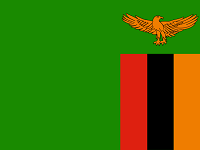
Teaching English abroad in Zambia offers a unique and enriching opportunity to make a meaningful difference while experiencing the vibrant culture of this southern African nation. With English as the official language, there is a high demand for TESOL-certified educators in schools and community programs, particularly in rural and underserved areas. Zambia’s warm, welcoming communities provide a supportive environment for teachers to help students develop their language skills, opening doors to greater educational and professional opportunities. Beyond the classroom, educators can immerse themselves in Zambia’s breathtaking landscapes, including Victoria Falls and its national parks teeming with wildlife. Teaching in Zambia is a rewarding way to contribute to global education while embracing the country’s rich traditions and natural beauty. Zambia, a landlocked country in Southern Africa, is primarily defined by a vast elevated plateau averaging 1,200 meters above sea level. This plateau is dissected by several major river valleys, including the Zambezi, Kafue, Luangwa, and Luapula, creating diverse landscapes ranging from gently rolling hills to deep gorges. Notable features include the Victoria Falls, one of the world's largest waterfalls, shared with Zimbabwe, and the expansive wetlands of the Bangweulu Basin. While the majority of the country is plateau, the Muchinga Mountains in the east reach heights of over 2,000 meters. Zambia's diverse terrain supports a variety of habitats, from savannas and woodlands to wetlands and grasslands, making it a haven for rich biodiversity.
Regional Updates: Teaching English in Zambia
Zambia remains an appealing destination for educators who want to teach English in a welcoming, culturally rich country. English is the official language and is widely used in government, business, tourism, higher education, and the national school system. Local languages are also important in daily life, particularly outside major urban centers, so teachers who show respect for multilingual communities are especially valued.
Demand for teachers continues across government schools, private academies, international schools, teacher-training programs, community projects, and language centers. However, opportunities are not evenly distributed. Lusaka and the Copperbelt generally offer the largest concentration of private schools and international organizations, while smaller towns and rural areas may have a greater need for qualified educators but fewer paid vacancies and limited resources.
Foreign English teachers are most likely to find work in international schools, private primary and secondary schools, exam-preparation programs, universities, professional language institutes, and nonprofit education projects. Some roles combine English with another subject, such as business, science, mathematics, or information technology. Online teaching and blended learning have also created additional possibilities, although reliable internet access can vary by region.
Employers increasingly look for teachers who can do more than deliver grammar lessons. Classroom management, digital teaching skills, inclusive education, literacy development, and the ability to adapt lessons to large or mixed-ability classes can make an application stronger. A recognized TESOL or TEFL qualification is useful even when an advertisement does not list it as mandatory.
Typical Requirements for Foreign English Teachers
Requirements vary according to the school, contract, and immigration category, so candidates should confirm details with the employer and the relevant Zambian authorities before traveling. Most reputable employers typically expect the following:
- A university degree: International schools and established private schools commonly prefer a bachelor’s degree. A degree in education, English, linguistics, or a related subject can be an advantage, while some language schools may consider candidates with other majors.
- TESOL, TEFL, or CELTA training: A certificate demonstrates preparation in lesson planning, language awareness, classroom methodology, and assessment. More advanced or internationally accredited programs may be preferred for competitive positions.
- Teaching experience: Previous classroom experience is often requested, especially for primary, secondary, examination, or international-school posts. New teachers may find entry-level opportunities through language centers, assistant roles, tutoring, or supervised projects.
- Professional documents: Applicants should be ready to provide a current passport, degree and certificate copies, references, a detailed résumé, academic transcripts when requested, and a recent police clearance or background check.
- Health and immigration documents: A medical examination, passport photographs, proof of qualifications, and other supporting documents may be required for a work permit or employment authorization.
- Employer sponsorship: Foreign nationals generally need the correct permission to work. A legitimate employer should explain the work-permit process and identify which fees, documents, and deadlines apply. Teachers should not begin paid employment while relying only on a visitor or tourist status.
Schools may also assess spoken English, teaching demonstrations, technology skills, and cultural adaptability. Before accepting an offer, ask about salary, housing, transport, health coverage, contract length, working hours, class size, vacation, and responsibility for immigration costs. Written terms are safer than verbal promises, and candidates should be cautious of recruiters who demand large upfront payments without a verifiable vacancy.
How to Get Hired: A Practical Step-by-Step Guide
- Choose your target role and location. Decide whether you prefer a private school, international school, language institute, community program, or online teaching position. Research living costs and transport in the area before applying.
- Earn a recognized qualification. If you need formal preparation, start by enrolling in an American TESOL certification course. Use the training to build a portfolio containing lesson plans, activities, assessments, and a sample teaching video.
- Prepare a focused application. Create a two-page résumé highlighting education, age groups taught, subjects, technology skills, volunteer work, and measurable results. Add a concise cover letter explaining why you want to teach in Southern Africa and how you will support learners with different needs.
- Gather documentation early. Scan your passport, degree, TESOL certificate, references, transcripts, and background-check documents. If documents are not in English, arrange certified translations where required.
- Search through reliable channels. Contact schools directly, review international-school vacancies, use established education recruiters, and network with teachers already working in the region. Apply well before the academic term, since interviews and permit processing can take time.
- Use professional placement support. Candidates can review American TESOL job placement support and résumé upload options to strengthen their search and connect their qualifications with potential opportunities.
- Interview and verify the offer. Prepare a short demonstration lesson and ask detailed questions about duties, safeguarding, accommodation, pay, and work authorization. Confirm the school’s address, registration, and contact information before sending sensitive documents or money.
- Complete immigration steps before departure. Follow the employer’s instructions, submit accurate paperwork, and wait for the appropriate approval. Bring both printed and digital copies of important records when you travel.
Amazing Things to Do While Teaching in Zambia
Living there offers far more than classroom experience. Teachers can visit Victoria Falls near Livingstone, one of the world’s most spectacular waterfalls, and enjoy viewpoints, river cruises, or carefully supervised adventure activities. Safari destinations such as South Luangwa, Lower Zambezi, and Kafue National Parks provide opportunities to see elephants, lions, hippos, and abundant birdlife while supporting conservation and local tourism.
In Lusaka, educators can explore markets, museums, galleries, cafés, and community events, while the Copperbelt offers a different perspective shaped by mining history and urban life. Weekend trips can include Lake Kariba, the beautiful beaches of Lake Tanganyika, Kundalila Falls, or the peaceful landscapes of the Nyika Plateau. Learning a few everyday phrases in a local language, joining a cultural group, and traveling respectfully can turn a teaching contract into a memorable professional and personal adventure.
EXPLORE TESOL COURSES TO TEACH IN ZAMBIA



TEACHING JOBS IN ZAMBIA
BECOME TESOL CERTIFIED TO TEACH IN ZAMBIA
APPLY TO ENGLISH LANGUAGE SCHOOLS IN ZAMBIA
U.S. EMBASSY
Eastern end of Kabulonga Road Ibex Hill P.O. Box 320065 Lusaka, Zambia
Phone: +260-211-357-000