
Teach English in Panama
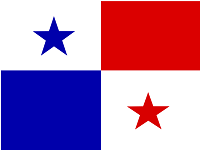
Teaching English in Panama can connect educators with English-language learners through schools, language programs, tutoring, professional communication, academic support, and online education depending on the local market and employer requirements.
Requirements and opportunities can change. Use the current information below for timely details about employment conditions, salaries, visas, hiring expectations, and related considerations.
Teaching English in Panama: Quick Guide
- Teaching settings: Schools, language programs, tutoring, professional English training, academic support, and online instruction, depending on the local market
- TESOL preparation: TESOL training can help educators develop practical English-language teaching skills
- Employment requirements: Qualifications, work authorization, experience, and employer requirements vary by position
- Current information: Review the section below for current teaching and destination information
Current Teaching English Information for Panama
Regional Updates: Teaching English in Panama
English teaching remains a strong opportunity in Panama, especially in Panama City and other areas connected to tourism, international trade, aviation, banking, and the Panama Canal. The country’s role as a regional business hub creates ongoing demand for professionals who can communicate confidently with international clients, partners, and visitors. As a result, English is valued not only in schools, but also in corporate training programs, hotels, call centers, universities, and private language institutes.
Private bilingual schools and international schools typically offer the most consistent opportunities for qualified foreign teachers. Language academies regularly recruit instructors for children, teenagers, adults, and business professionals, while online and blended learning have expanded the market for teachers who can work flexible schedules. Demand is often strongest for educators who can teach general English, exam preparation, conversation, business communication, or English for specific purposes.
Panama City generally has the largest number of positions, although opportunities can also appear in David, Boquete, Colón, and resort or tourism-focused communities. Smaller cities may offer a slower pace of life and lower living costs, but they can have fewer vacancies and may place greater value on teachers who are adaptable and willing to teach several age groups. Spanish ability is not always mandatory, but even basic Spanish can make daily life easier and help teachers build rapport with students, families, and colleagues.
What Employers and Immigration Typically Require
Requirements differ according to the employer, school type, and position. Many reputable schools prefer applicants with a bachelor’s degree, classroom experience, and a recognized TESOL, TEFL, or equivalent teaching certificate. A degree in education, English, linguistics, or a related field can be especially helpful for international and bilingual schools. Language institutes may be more flexible and may consider applicants with strong English proficiency, a certification, and demonstrable teaching ability.
Employers commonly request a professional resume, references, copies of academic credentials, teaching certificates, a passport, and a criminal background check. Some schools also request a demonstration lesson or video interview. Native-level English is frequently preferred, although highly proficient non-native English speakers with excellent pronunciation, relevant qualifications, and teaching experience may also be competitive.
Foreign nationals generally need appropriate authorization to work legally. Depending on the role, this may involve an employment contract, a residence or work visa, and a work permit processed with support from the employer and qualified local professionals. Documents issued outside Panama may need to be apostilled or legalized and translated into Spanish. Requirements and processing procedures can change, so candidates should confirm current rules with their prospective employer, the relevant Panamanian authorities, and an immigration attorney or authorized adviser. A tourist entry status should not be assumed to permit paid employment.
Step-by-Step Guide to Getting Hired
- Choose your preferred teaching market. Decide whether you want to work in a private school, language institute, university, corporate program, or online setting. Consider location, salary, schedule, age group, and whether housing or relocation assistance is included.
- Build the right qualifications. If you do not already hold a recognized TESOL or TEFL credential, consider enrolling in an American TESOL certification course. Training in lesson planning, classroom management, assessment, and teaching grammar can make your application more persuasive.
- Prepare an international application package. Create a concise resume that highlights teaching experience, education, certifications, technology skills, and measurable results. Gather scanned copies of your passport, degree, certificates, references, and background check. Prepare a short introduction video or sample lesson if requested.
- Research employers carefully. Review school websites, professional networks, language institutes, and international education job boards. Check whether the employer provides a written contract, legal work authorization support, paid holidays, health coverage, transportation, or relocation assistance. Ask about teaching hours, preparation time, class size, and payment schedule.
- Apply early and follow up professionally. Hiring cycles may begin months before the academic year, while language institutes can recruit throughout the year. Tailor each application to the position and respond promptly to interview requests. A clear online profile and professional references can improve your credibility.
- Use placement guidance when helpful. Candidates who want structured assistance can explore American TESOL job placement support and resume upload services. This can help organize application materials and connect qualified teachers with potential opportunities, while applicants should still review every offer and verify employment and immigration terms independently.
- Complete legal and relocation steps. After accepting an offer, confirm which documents the employer will arrange, which costs you must pay, and when you may legally begin work. Keep copies of your contract and submitted paperwork, arrange accommodation, and plan a realistic budget for the first few months.
Amazing Things to Do While Teaching in Panama
Living there offers far more than a classroom routine. In Panama City, teachers can explore the historic Casco Antiguo, visit the Panama Canal and its observation centers, and enjoy restaurants, museums, markets, and coastal walks. The city’s modern neighborhoods provide convenient access to gyms, cinemas, cultural events, and international communities.
Nature is equally accessible. Hike through Metropolitan Natural Park, visit the rainforest around Gamboa, or take a boat trip on Gatun Lake. On weekends, travelers can reach the Caribbean islands of Bocas del Toro, the San Blas archipelago, or the Pacific beaches near Coronado and Santa Clara. Coiba National Park is famous for marine life, snorkeling, and diving, while the highlands around Boquete are known for coffee farms, cool weather, waterfalls, and mountain trails.
Teachers who embrace local festivals, regional food, Spanish practice, and community activities often find that cultural immersion becomes one of the most rewarding parts of the experience. With preparation, flexibility, and a genuine interest in students and local life, teaching English can become a meaningful way to develop professionally while discovering an exceptionally diverse country.
Explore TESOL Courses to Teach in Panama



English Education Jobs in Panama
Prepare to Teach English in Panama
American TESOL Institute provides teacher training for educators interested in teaching English online and abroad. TESOL certification can help develop practical skills in lesson planning, language acquisition, classroom management, teaching methods, and educational technology.
Certification does not by itself guarantee employment, a visa, or work authorization. Hiring eligibility depends on the individual employer, position, qualifications, and applicable requirements. Learn more about American TESOL Institute accreditation and recognition, or explore optional TESOL job-placement support.
Explore English Language Schools in Panama
Consular & Travel Resources for Panama
Building 783, Demetrio Basilio Lakas Avenue Clayton, Panama
Phone: (507) 317-5000