
Teach English in Faroe Islands
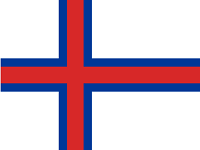
Teaching English in Faroe Islands gives educators an opportunity to work with English-language learners while experiencing the destination's distinctive communities, culture, education system, and international connections.
Educators may encounter opportunities through schools, language programs, tutoring, professional English training, online instruction, and other settings depending on qualifications, local demand, and employer requirements.
Requirements and opportunities can change. Use the current Faroe Islands information below for timely details about employment conditions, salaries, visas, hiring expectations, and related considerations.
Teaching English in Faroe Islands: Quick Guide
- Location: North Atlantic
- Common education settings: Schools, language programs, tutoring, professional English training, and online instruction, depending on the local market
- TESOL preparation: TESOL training can help educators develop practical English-language teaching skills
- Employment requirements: Qualifications, work authorization, experience, and employer requirements vary by position
- Current information: Review the dynamically updated section below for current job-market, salary, visa, and teaching information
Current Teaching English Information for Faroe Islands
Regional Updates: Teaching English in the Faroe Islands
The Faroe Islands offer a small, distinctive market for English teachers rather than a large network of private language schools. English is widely valued because the islands are closely connected to Denmark, the Nordic region, international business, tourism, shipping, technology, and higher education. Many residents speak excellent English, so learners often study the language to improve professional communication, academic opportunities, travel confidence, or workplace fluency.
English is part of the school curriculum, and students generally encounter it during their primary or lower-secondary education. Demand is therefore strongest for teachers who can provide more than basic conversation practice. Schools and training providers may look for educators who can teach structured lessons, support examination preparation, work with young learners, or deliver English for specific purposes. Adult education, tutoring, corporate training, summer programs, and tourism-related instruction can provide additional opportunities.
Because the population is small, vacancies may be limited and competition can be high. Positions are more likely to appear in Tórshavn and other larger communities, although opportunities may also arise in smaller settlements. Teaching work can be seasonal, part-time, or combined with another role. Candidates who are flexible about location, age groups, schedules, and online or blended teaching may have an advantage. Faroese language ability is not always required for English-language instruction, but learning basic Faroese or Danish can improve communication with colleagues, families, and local communities.
Typical Employer and Immigration Requirements
Requirements depend on whether you apply to a public school, private language provider, international organization, tutoring service, or corporate training program. A bachelor’s degree is commonly preferred, particularly for school-based employment. An accredited TESOL, TEFL, or related teaching qualification can strengthen an application and may be essential when you do not hold a formal education degree. Employers also value classroom experience, lesson-planning ability, digital teaching skills, and evidence that you can work respectfully in a close-knit community.
- Education and certification: A university degree and recognized TESOL or TEFL training are frequent preferences. Specialized experience in young learners, business English, exam preparation, or special educational needs may help.
- Professional documents: Prepare a tailored CV, a concise cover letter, qualification certificates, references, and, when requested, a sample lesson plan or teaching demonstration.
- Background screening: Jobs involving children commonly require a criminal record check or safeguarding documentation. Some employers may request health, identity, or reference verification.
- Language and conduct: Strong spoken and written English, reliability, cultural awareness, and a collaborative attitude are important. Danish or Faroese skills can be a valuable additional asset.
- Immigration permission: The islands are self-governing within the Kingdom of Denmark and are outside the European Union. Nordic citizens generally have different mobility rights from other applicants, while many non-Nordic nationals need residence and work authorization before beginning employment.
Immigration rules can vary according to nationality, contract type, salary, and the employer’s status. A written job offer is often central to an application, and the employer may need to provide information about the position. Do not assume that a Danish, Schengen, or tourist visa automatically permits employment in the islands. Check current guidance from the relevant Faroese and Danish authorities, and ask the hiring organization which agency handles your case. Secure written confirmation of your permit before traveling for work.
Step-by-Step Guide to Getting Hired
1. Check your eligibility and target the right roles
Review your passport status, degree, teaching background, and availability. Decide whether you prefer schools, language centers, private tutoring, adult education, or corporate classes. Research communities and transportation carefully, since housing and travel between islands can affect your budget and schedule.
2. Build a competitive teaching profile
Complete a reputable qualification if you do not already have one. You can enroll in an American TESOL certification course to develop practical skills in lesson planning, classroom management, and teaching English to learners from different backgrounds. Highlight measurable achievements, such as improved learner outcomes, successful courses, or experience teaching online.
3. Prepare an application package
Use a clear, achievement-focused CV and adapt every cover letter to the position. Include your certification, degree, teaching ages, technology experience, availability, and willingness to learn local languages. Scan certificates and references in an easy-to-send format, and prepare a short demonstration lesson if requested.
4. Search widely and contact employers professionally
Check school, municipality, language-center, university, tourism, and international-company websites, as well as reputable education job boards. Contact potential employers with a concise introduction rather than sending a generic message. Ask about pay, hours, housing, transportation, class size, contract duration, and permit sponsorship.
5. Use placement support and verify the offer
Additional guidance can make an international search more efficient. Consider using American TESOL job placement support and uploading your resume for assistance with presenting your qualifications. Before accepting, request a written contract and confirm duties, compensation, leave, insurance, accommodation, and immigration responsibilities.
6. Apply for permission and prepare to relocate
Follow the official application process for your nationality and employment category. Keep copies of your passport, contract, qualifications, background check, and correspondence. Arrange housing only after confirming the job and legal permission, then plan for weather, transportation, banking, and local registration.
Amazing Things to Do While Living There
Life between lessons can be exceptionally rewarding. Explore Tórshavn’s harbor, historic Tinganes district, museums, cafés, and cultural events. Hike across dramatic green mountains, coastal cliffs, and narrow valleys, while following local safety guidance about wind, fog, and changing weather. Visit villages such as Saksun, Gjógv, and Kirkjubøur, and enjoy views of waterfalls, sea stacks, and traditional grass-roofed houses.
Teachers can also take boat trips, observe seabirds and puffins in season, photograph waterfalls, and experience the long summer evenings or atmospheric winter landscapes. Join a choir, sports club, language group, or community activity to meet residents beyond the classroom. The compact communities, striking scenery, and strong cultural traditions can turn an English-teaching position into a memorable Nordic adventure.
Explore TESOL Courses to Teach in Faroe Islands



English Education Jobs in Faroe Islands
Prepare to Teach English in Faroe Islands
American TESOL Institute provides teacher training for educators interested in teaching English online and abroad. TESOL certification can help develop practical skills in lesson planning, language acquisition, classroom management, teaching methods, and educational technology.
Certification does not by itself guarantee employment, a visa, or work authorization. Hiring eligibility depends on the individual employer, position, qualifications, and applicable requirements. Learn more about American TESOL Institute accreditation and recognition, or explore optional TESOL job-placement support.
Explore English Language Schools in Faroe Islands
Consular & Travel Resources for Faroe Islands
There is no country-specific U.S. embassy feed configured for Faroe Islands on this page. Educators and travelers should consult current official U.S. government and appropriate local consular resources before travel.