
Teach English in Virgin Islands
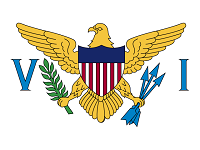
Teaching English in Virgin Islands can connect educators with English-language learners through schools, language programs, tutoring, professional communication, academic support, and online education depending on the local market and employer requirements.
Requirements and opportunities can change. Use the current information below for timely details about employment conditions, salaries, visas, hiring expectations, and related considerations.
Teaching English in Virgin Islands: Quick Guide
- Teaching settings: Schools, language programs, tutoring, professional English training, academic support, and online instruction, depending on the local market
- TESOL preparation: TESOL training can help educators develop practical English-language teaching skills
- Employment requirements: Qualifications, work authorization, experience, and employer requirements vary by position
- Current information: Review the section below for current teaching and destination information
Current Teaching English Information for Virgin Islands
Teaching English in the Virgin Islands: Regional Updates and Opportunities
Teaching English in the Virgin Islands offers an appealing combination of professional opportunity, island culture, and year-round outdoor living. English is the main language used in schools, government, tourism, and everyday business across the region. Demand for capable English teachers is closely connected to the strength of the tourism economy, international travel, private education, and community language programs.
The United States Virgin Islands, including St. Thomas, St. Croix, and St. John, continue to rely on qualified educators in public schools, private schools, tutoring centers, and adult education programs. Schools and families may seek teachers who can support literacy, reading development, English language learners, and students preparing for academic examinations. The British Virgin Islands also offer opportunities through schools, language institutes, and businesses serving an international population.
Recruitment needs can vary by island and by school year. Tourism, seasonal staffing patterns, teacher turnover, and ongoing community development all influence the number of vacancies. Candidates who are flexible about location, comfortable working with multicultural groups, and prepared to teach children or adults may find more options. Experience with English for Academic Purposes, business English, test preparation, special education support, or online instruction can also strengthen an application.
Typical Requirements for Foreign English Teachers
Requirements depend on whether you are applying in the United States Virgin Islands or the British Virgin Islands, as these jurisdictions have different education and immigration systems. Always confirm current rules with the employer and the relevant government authority before accepting a position or traveling for work.
- Education: Many schools prefer a bachelor’s degree, particularly for full-time classroom positions. Some language schools and tutoring providers may consider applicants with other relevant education and strong teaching credentials.
- TESOL or TEFL certification: A recognized certification demonstrates training in lesson planning, classroom management, grammar, assessment, and teaching methodology. A 120-hour or comparable course is often a competitive standard.
- Teaching experience: Employers may favor candidates with classroom experience, though supervised practice, tutoring, volunteer work, and online teaching can help new teachers demonstrate practical ability.
- Background screening: Schools commonly request a police or criminal background check, professional references, and verification of previous employment. Child-safety screening may be especially important for positions involving minors.
- Health and identity documents: A valid passport, medical examination, vaccination records where applicable, and authenticated academic documents may be required.
- Work authorization: In the USVI, foreign nationals generally need appropriate permission to work in the United States. In the BVI, employers typically sponsor a work permit and may need to show that the role cannot be filled locally. Teachers should not begin work as visitors or tourists.
Some employers may also request a teaching license, curriculum knowledge, computer skills, and familiarity with American, British, or internationally recognized programs. Salaries, housing arrangements, transportation, insurance, and contract terms differ considerably, so review the complete offer carefully.
How to Get Hired as an English Teacher
1. Choose your preferred destination and teaching setting
Decide whether you want to work in a public or private school, language center, tutoring program, international school, or corporate training environment. Compare the USVI and BVI requirements, cost of living, transportation, and likely contract conditions before targeting applications.
2. Earn a respected TESOL qualification
Complete professional training before applying whenever possible. A quality course helps you present a stronger application and prepares you for mixed-ability classes, communicative lessons, and culturally responsive teaching. You can enroll in an American TESOL certification course to build these essential skills and add a recognized credential to your profile.
3. Prepare an island-ready application
Update your resume to highlight teaching, tutoring, youth work, customer service, international experience, and technology skills. Include your certification, degree, teaching specialties, availability, and preferred age groups. Prepare a concise cover letter explaining why you want to teach in the Virgin Islands. Gather scanned copies of your passport, certificates, transcripts, references, and background check when available.
4. Search through schools and professional networks
Contact public and private schools, language academies, tutoring companies, community organizations, and international education providers directly. Check reputable education job boards and apply early, since vacancies may be filled before a new academic term. Professional networking can be particularly valuable in smaller island communities.
5. Use placement guidance and interview strategically
For additional support, use American TESOL job placement support and resume upload services. During interviews, be ready to discuss classroom management, lesson planning, assessment, adaptability, and how you would support learners from different backgrounds. Ask about workload, accommodation, transportation, visa sponsorship, start date, and emergency procedures.
6. Complete the legal process before departure
After receiving a written offer, confirm the contract and let the employer guide the work authorization process. Do not rely on an informal promise that immigration paperwork will be completed later. Arrange housing, documents, insurance, and travel only after you understand the conditions of employment and have the required permission to work.
Amazing Things to Do While Teaching in the Virgin Islands
Life away from the classroom can be as rewarding as the teaching experience. Spend weekends exploring white-sand beaches, swimming in clear Caribbean water, or learning to sail, paddleboard, kayak, and snorkel. St. John is known for the protected landscapes of Virgin Islands National Park, while St. Thomas offers scenic overlooks, harbor views, shopping, and easy access to nearby islands.
St. Croix provides a different pace, with historic Christiansted and Frederiksted, coral reefs, nature areas, local farms, and opportunities for diving and horseback riding. In the British Virgin Islands, teachers can discover Tortola’s coastal trails, visit Virgin Gorda’s famous Baths, and enjoy boating around smaller islands and cays. Across the region, music, food festivals, art, and community events provide opportunities to build genuine relationships beyond the school environment.
With preparation, cultural sensitivity, and the right credentials, teaching English in the Virgin Islands can become an inspiring professional adventure that combines meaningful work with unforgettable island experiences.
Explore TESOL Courses to Teach in Virgin Islands



English Education Jobs in Virgin Islands
Prepare to Teach English in Virgin Islands
American TESOL Institute provides teacher training for educators interested in teaching English online and abroad. TESOL certification can help develop practical skills in lesson planning, language acquisition, classroom management, teaching methods, and educational technology.
Certification does not by itself guarantee employment, a visa, or work authorization. Hiring eligibility depends on the individual employer, position, qualifications, and applicable requirements. Learn more about American TESOL Institute accreditation and recognition, or explore optional TESOL job-placement support.
Explore English Language Schools in Virgin Islands
Consular & Travel Resources for Virgin Islands
No destination-specific U.S. embassy feed is configured for Virgin Islands on this page. Consult current official U.S. government and appropriate local consular resources before travel.