
Teach English in Yogyakarta, Indonesia
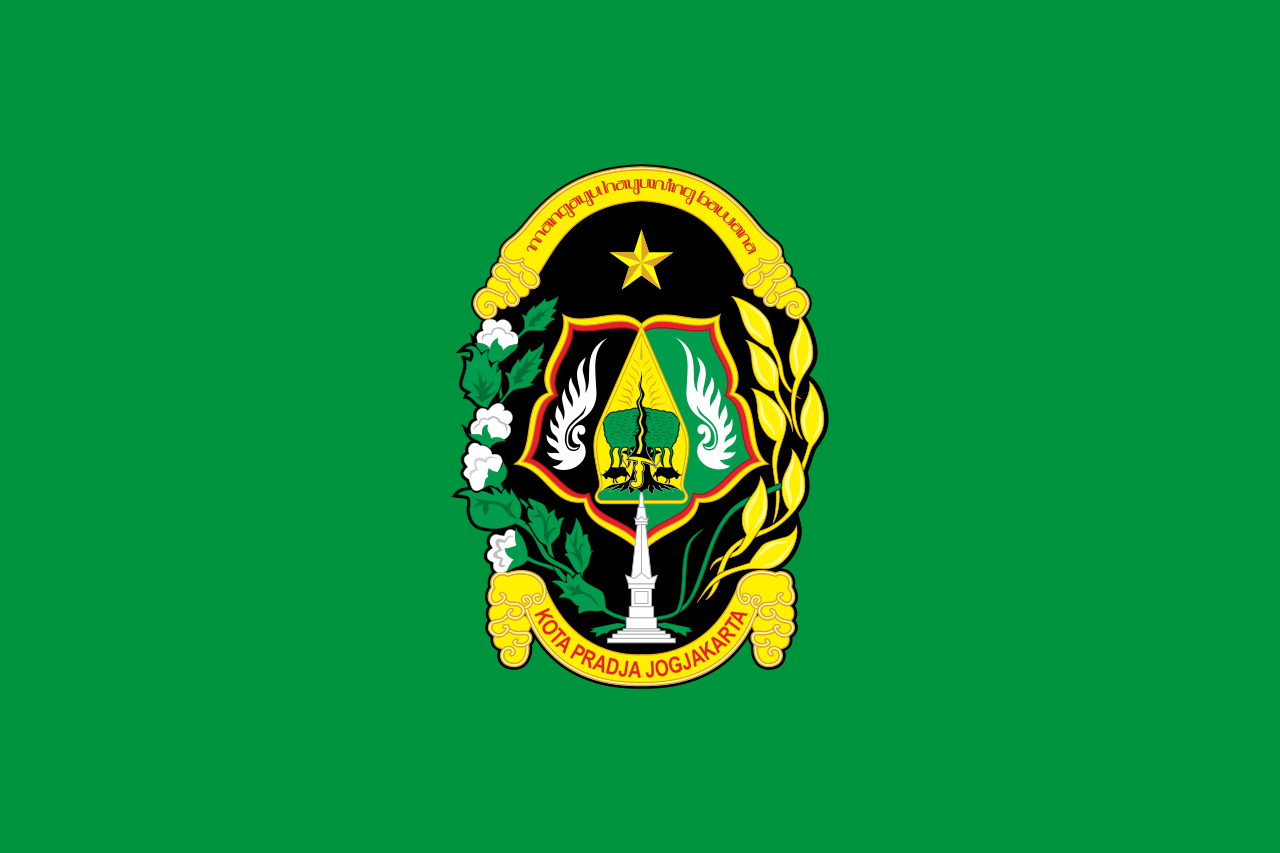
Yogyakarta offers educators a city-focused base for exploring English-language teaching, tutoring, academic support, professional communication, and online education. Opportunities depend on local demand, qualifications, and employer requirements.
For national requirements and broader teaching information, see our guide to teaching English in Indonesia.
Teaching English in Yogyakarta: Quick Guide
- City: Yogyakarta, Indonesia
- Teaching settings: Language education, tutoring, academic English, professional communication, corporate training, and online instruction
- TESOL preparation: TESOL training can help educators develop practical language-teaching and lesson-planning skills
- Employment requirements: Qualifications, experience, employer requirements, and legal work authorization vary by position
- Current information: Review the dynamically updated section below for current teaching-market, salary, visa, and hiring information
Current Teaching English Information for Yogyakarta
Teaching English in Yogyakarta: Regional Updates and Demand
Yogyakarta remains one of Indonesia’s most attractive destinations for English teachers. Known for its universities, creative communities, historic temples, and relatively affordable lifestyle, the city has a steady need for qualified teachers in schools, language centers, international programs, and private tutoring. English is increasingly connected with higher education, tourism, hospitality, technology, and international employment, so families and students continue to invest in practical communication skills.
The local market includes established language institutes, private schools, bilingual schools, international schools, universities, and community learning programs. Demand is especially visible for teachers who can work with young learners, teenagers preparing for examinations, university students, and adults seeking conversational or professional English. Teachers with skills in speaking instruction, phonics, pronunciation, IELTS or TOEFL preparation, business English, and digital lesson delivery may find additional opportunities.
Competition can be stronger than in some smaller cities because Yogyakarta attracts educators, travelers, and recent graduates from around the world. Employers are therefore looking for more than fluent English. A recognized TESOL or TEFL qualification, classroom experience, reliable references, and the ability to adapt lessons to Indonesian learners can make an application more competitive. Salaries and schedules vary considerably by employer, so candidates should compare the full package, including teaching hours, preparation time, housing, transportation, insurance, and legal sponsorship.
What Employers and Immigration Typically Require
Requirements differ according to the school and the type of position, but reputable employers commonly ask for a valid passport, a bachelor’s degree or equivalent academic qualification, and a recognized TESOL, TEFL, or equivalent teaching certificate. Some schools prefer applicants with classroom experience, a teaching license, or a background in education. Experience with children, examination classes, or online learning can also be valuable.
- Professional documents: Prepare a current resume, a professional photograph if requested, degree certificates, teaching certification, references, and a short statement describing your teaching approach.
- Language ability: Native-level English proficiency is often preferred, but strong non-native speakers with excellent communication skills and recognized qualifications may also be considered.
- Safeguarding and health checks: Schools may request a criminal background check, medical certificate, or evidence that you are fit to work with children.
- Legal employment: Foreign teachers generally need an employer willing to sponsor the appropriate work authorization and residence documentation. Tourist or visitor status should not be used as a substitute for proper employment permission.
- Immigration compliance: Visa and work-permit rules can change, and the employer normally handles or coordinates the sponsorship process. Confirm the current requirements with the school, an authorized immigration adviser, or the relevant Indonesian authorities before accepting a position.
Ask prospective employers whether the contract includes sponsorship, relocation assistance, tax arrangements, insurance, and support with residence registration. Be cautious of organizations that ask you to teach before authorization is complete, retain your passport, or promise guaranteed employment without a written contract.
Step-by-Step Guide to Getting Hired in Yogyakarta
1. Build the right qualifications
Complete a reputable TESOL or TEFL course that covers lesson planning, classroom management, grammar, teaching skills, and assessment. If you are new to the profession, a practical course with teaching guidance can help you demonstrate readiness to employers. You can begin by enrolling in an American TESOL certification course.
2. Prepare a focused application
Create a concise resume that highlights education, certification, teaching, tutoring, volunteering, public speaking, and work with children or international clients. Include a professional email address and make your availability clear. A short introduction video or sample lesson may help you stand out for language centers and online interviews.
3. Research suitable employers
Make a list of language schools, private schools, international schools, universities, and reputable tutoring organizations in the city and surrounding area. Review their websites, social media pages, teacher feedback, age groups, schedules, and advertised qualifications. Apply directly where possible, while also using established education recruiters and professional networks.
4. Use placement and career support
Qualified applicants can strengthen their search through job placement support with resume upload. Keep your resume, certification details, passport information, and references organized so you can respond quickly when a suitable vacancy appears.
5. Interview and demonstrate your teaching
Prepare to discuss how you would teach mixed-ability learners, encourage reluctant speakers, manage a lively class, and use technology appropriately. Some employers request a demonstration lesson. Plan a clear objective, short activities, student interaction, and a simple way to check understanding.
6. Review the offer and complete legal steps
Before making travel arrangements, request a written contract that explains salary, working hours, duties, leave, probation, accommodation, cancellation terms, and sponsorship. Allow time for the employer to complete the required immigration process. Once authorized, arrive prepared with digital and printed copies of your key documents.
Amazing Things to Do While Teaching in Yogyakarta
Living in Yogyakarta offers a rewarding balance between meaningful work and cultural discovery. Explore the ancient Borobudur and Prambanan temple complexes, preferably early in the morning or late in the afternoon. Wander through the Sultan’s Palace and the surrounding heritage streets, then visit museums, galleries, and traditional craft workshops to learn more about Javanese history and design.
Teachers can enjoy local food at markets and neighborhood warungs, sample gudeg, and discover the city’s growing café and arts scene. Spend an evening along Malioboro, browse handmade batik in the markets, or take a batik class and create your own pattern. Nature lovers can hike around Mount Merapi, visit waterfalls, cycle through rural villages, or travel south to the beaches along the Gunungkidul coast.
Because Yogyakarta is a major student city, it is easy to meet local educators, join language exchanges, take part in cultural events, and build friendships beyond the classroom. With thoughtful preparation, legal employment, and an open-minded approach, teaching in Yogyakarta can become both a valuable professional experience and an unforgettable chapter of life.
Explore TESOL Courses to Teach in Yogyakarta



English Education Jobs in Yogyakarta
Prepare to Teach English in Yogyakarta
American TESOL Institute provides teacher training for educators interested in teaching English online and abroad. TESOL certification can help develop practical skills in lesson planning, language acquisition, classroom management, teaching methods, and educational technology.
Certification does not by itself guarantee employment, a visa, residency, or work authorization. Hiring eligibility depends on the employer, position, qualifications, applicable requirements, and the educator's legal right to work.
Learn more about American TESOL Institute accreditation and recognition, or explore optional TESOL job-placement support.
Explore English Language Schools in Yogyakarta
U.S. Embassy & Travel Information for Indonesia
Jl. Medan Merdeka Selatan No. 3 – 5 Jakarta 10110, Indonesia
Phone: 62-21-5083-1000