
TESOL Certification in Florida
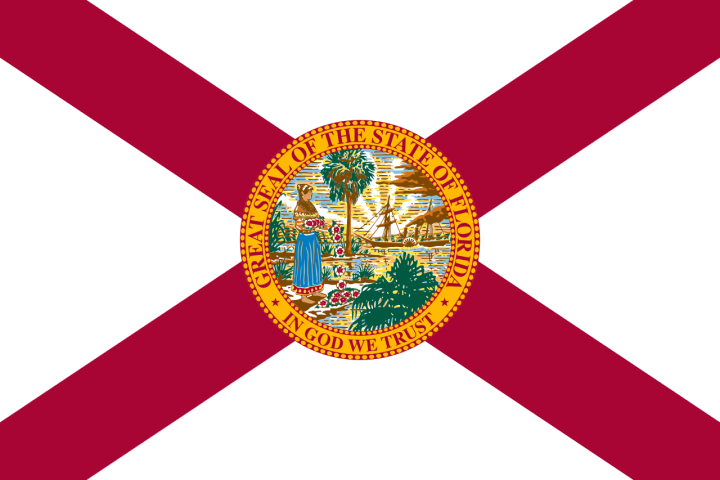
American TESOL Institute provides TESOL teacher-training options for educators in Florida who want to develop skills for teaching English language learners. TESOL training can support work in English-language education, tutoring, online teaching, adult education, community programs, and international teaching contexts.
Florida includes diverse multilingual communities and a wide range of educational settings. The qualifications required for a specific teaching position depend on the employer, student population, type of school or program, and applicable state or institutional requirements.
TESOL Certification in Florida: Quick Guide
What is TESOL certification? TESOL training prepares educators with methods and strategies for teaching English to speakers of other languages. In Florida, it can be useful for educators working with English learners in private language programs, tutoring, online education, community programs, and other ESL/EFL settings.
Does TESOL certification automatically qualify someone for every Florida teaching job? No. A TESOL certificate is a professional English-language teaching credential, but individual employers and regulated school positions may require additional education, experience, background checks, licenses, endorsements, or other qualifications.
Review American TESOL Institute accreditation and recognition, verify ATI graduate credentials through Graduate Verification, or register for TESOL certification.
Current TESOL & English Teaching Information for Florida
Regional Updates: Teaching English in Florida
Florida remains an attractive destination for English teachers because of its large international population, growing school systems, tourism economy, and year-round demand for language instruction. The strongest opportunities are concentrated in metropolitan areas such as Miami, Orlando, Tampa Bay, Jacksonville, Fort Lauderdale, and West Palm Beach. These regions serve multilingual families, international students, seasonal residents, and adults seeking English for employment, college admission, or daily communication.
Demand is especially visible in English as a Second Language (ESL) programs, adult education centers, private language schools, tutoring companies, community organizations, and online learning providers. Public schools also need qualified educators who can support English learners, although public-school positions generally involve stricter state licensing requirements. Demand can change by district and school year, so applicants should search several regions rather than focusing on one city.
Tourism and hospitality create additional opportunities for teachers who can offer practical workplace English. Hotels, resorts, restaurants, healthcare employers, and international businesses may hire instructors for conversation classes, customer-service communication, pronunciation, and professional English. Teachers with experience in exam preparation, business English, early childhood education, special education, or bilingual instruction may find a wider range of openings.
What Employers and Immigration Typically Require
Requirements vary according to the employer and the type of position. Private language schools and tutoring organizations commonly request a bachelor’s degree, strong spoken and written English, classroom experience, and a recognized TESOL, TEFL, or equivalent certificate. Some employers accept candidates from varied academic backgrounds, while others prefer a degree in education, English, linguistics, or a related field.
Public-school teaching is more regulated. A foreign-trained teacher may need an evaluation of academic credentials, official transcripts, proof of subject knowledge, background screening, and a Florida educator certificate or an approved pathway toward certification. Requirements can differ for elementary education, English language arts, ESOL, and other subjects. A TESOL certificate can strengthen an application, but it does not automatically replace a state teaching license.
Employers typically expect applicants to provide a professional resume, references, teaching samples or a demonstration lesson, copies of degrees and certificates, and evidence of work authorization. Some positions also require fingerprinting, a background check, health documentation, or experience working with children. Clear communication, cultural sensitivity, classroom management, and the ability to use digital teaching tools are highly valued.
Immigration status is a separate issue from professional qualifications. Foreign teachers must have lawful authorization to work before beginning employment. Depending on the circumstances, this may involve an existing employment-authorized status, an employer-sponsored work visa, an exchange-teacher program, or another appropriate immigration category. Sponsorship is not automatic, and many private schools do not sponsor visas. Candidates should confirm eligibility with the employer and obtain advice from a qualified immigration attorney or authorized legal professional. Never begin paid teaching work without the correct authorization.
Step-by-Step Guide to Getting Hired
1. Choose your target teaching market
Decide whether you want to teach children, teenagers, adults, university students, or professionals. Compare public schools, private institutes, tutoring companies, nonprofits, and corporate programs in several Florida cities. Consider salary, schedule, transportation, cost of living, and whether the employer can legally hire international applicants.
2. Prepare your qualifications
Collect your degree documents, transcripts, references, passport or identification, and any previous teaching records. If your documents are not in English, arrange professional translations. Research Florida educator-certification rules if you plan to work in a public school, and identify whether your credentials require an evaluation.
3. Earn a recognized TESOL qualification
A practical TESOL course can help you demonstrate knowledge of lesson planning, language skills, assessment, classroom management, and teaching learners from different cultural backgrounds. You can enroll in an American TESOL certification course to develop job-ready skills and add a recognized credential to your application.
4. Build an employer-focused application
Write a concise resume that highlights teaching experience, age groups taught, certifications, language abilities, technology skills, and measurable results. Add a short cover letter tailored to each school. Emphasize flexibility, reliability, and experience helping learners use English in real situations. Prepare a brief demonstration lesson and practice answering questions about classroom management.
5. Apply strategically and use placement resources
Search school websites, education job boards, local language institutes, community colleges, and professional networks. Apply early for positions that follow the academic calendar, but continue checking throughout the year because private programs often hire when enrollment changes. You can also access job placement support and upload your resume for additional assistance with finding suitable opportunities.
6. Verify the offer before accepting
Confirm the pay rate, schedule, location, benefits, training, contract terms, cancellation policy, and work-authorization expectations in writing. Ask whether the position is employee or contractor work and whether the organization provides support with required checks or licensing. A careful review helps you choose a legitimate role and plan your move responsibly.
Amazing Things to Do While Teaching in Florida
Living there offers far more than work. Teachers can spend weekends exploring the beaches of the Gulf Coast, watching sunsets in the Florida Keys, or kayaking through springs and mangrove waterways. The Atlantic coast provides opportunities for surfing, paddleboarding, fishing, and visiting historic waterfront communities.
For culture and entertainment, explore Miami’s international neighborhoods, Orlando’s museums and theme parks, Tampa’s Riverwalk, St. Petersburg’s arts scene, Jacksonville’s parks, and the historic streets of St. Augustine. Nature lovers can visit the Everglades, snorkel in clear springs, observe manatees, or hike through state parks. Local festivals, farmers markets, sporting events, and multicultural restaurants also make it easy to connect with students and communities while enjoying a rewarding life outside the classroom.
Explore TESOL Certification Courses



English Teaching Jobs in Florida
Learn More About TESOL Certification in Florida
Explore English Language Schools in Florida
Volunteer Teaching in Florida
Volunteer and community-based literacy programs in Florida can provide additional ways to support adult English learners and develop practical teaching experience.
Learn more about volunteer tutoring opportunities through the volunteer English teacher in Florida .