
TESOL Certification in Nevada
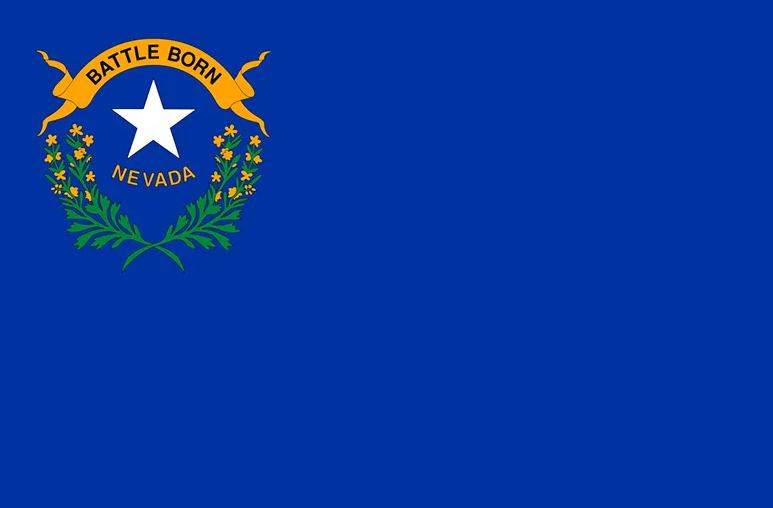
American TESOL Institute provides TESOL teacher-training options for educators in Nevada who want to develop skills for teaching English language learners. TESOL training can support work in English-language education, tutoring, online teaching, adult education, community programs, and international teaching contexts.
Nevada includes diverse multilingual communities and a wide range of educational settings. The qualifications required for a specific teaching position depend on the employer, student population, type of school or program, and applicable state or institutional requirements.
TESOL Certification in Nevada: Quick Guide
What is TESOL certification? TESOL training prepares educators with methods and strategies for teaching English to speakers of other languages. In Nevada, it can be useful for educators working with English learners in private language programs, tutoring, online education, community programs, and other ESL/EFL settings.
Does TESOL certification automatically qualify someone for every Nevada teaching job? No. A TESOL certificate is a professional English-language teaching credential, but individual employers and regulated school positions may require additional education, experience, background checks, licenses, endorsements, or other qualifications.
Review American TESOL Institute accreditation and recognition, verify ATI graduate credentials through Graduate Verification, or register for TESOL certification.
Current TESOL & English Teaching Information for Nevada
Teaching English in Nevada: Regional Updates and Career Outlook
Nevada remains an appealing market for English teachers because population growth, international tourism, expanding school districts, and a highly multilingual student population continue to create opportunities. Demand is especially visible in the Las Vegas metropolitan area, where public schools, charter schools, adult education programs, private language institutes, tutoring companies, and community organizations serve learners from many language backgrounds.
Reno and Sparks also offer opportunities connected to university programs, technology companies, workforce development, and the region’s growing population. In rural communities, openings may be less frequent but can be more difficult to fill, particularly for teachers who can support English learners, adult immigrants, or students preparing for employment and college. Employers may look for instructors who are flexible, culturally responsive, and willing to work with different age groups.
The local market includes more than traditional English as a Second Language classrooms. Potential roles include English language development teacher, adult ESL instructor, conversation coach, academic tutor, substitute teacher, test-preparation instructor, and online English teacher. Candidates with experience in literacy, special education, bilingual education, or career-focused English may be particularly competitive.
Requirements for Foreign English Teachers
Requirements depend on the employer and the type of position. Public schools generally require a Nevada teaching license or an approved pathway toward licensure. A bachelor’s degree, teacher preparation or equivalent experience, subject-area qualifications, examinations, fingerprinting, and a background check may be part of the process. Teachers trained outside the United States may also need a professional credential evaluation and official transcripts translated into English.
A TESOL or TEFL certificate is valuable for demonstrating specialized preparation, especially for language schools, tutoring providers, online programs, and adult education positions. However, a certificate alone usually does not replace a state teaching license when a public school position requires one. Applicants should review the current requirements of the Nevada Department of Education and the individual school district before accepting an offer.
Private language schools and community programs may set different standards. Many prefer a bachelor’s degree, a recognized TESOL or TEFL qualification, classroom experience, strong communication skills, and availability for evening or weekend classes. Some employers accept experienced candidates without a formal teaching license, while others expect previous work with multilingual learners or standardized English assessments.
Immigration and work authorization are separate from professional qualifications. A foreign national normally needs permission to work before beginning paid employment. Some schools and educational organizations participate in exchange visitor programs, while other employers may consider employment-based visa sponsorship when eligible. Sponsorship is not automatic and can be limited by program rules, hiring timelines, quotas, or the employer’s policies.
Applicants should never begin work without the correct authorization. Employers may request a passport, visa documentation, an employment authorization document, a Social Security number, or other evidence of eligibility. It is wise to consult an immigration attorney or an official government source for advice about an individual situation. Strong preparation, transparent documentation, and realistic expectations can make the hiring process smoother.
Step-by-Step Guide to Getting Hired
1. Choose the right teaching pathway
Decide whether you want to teach in a public school, private language center, adult education program, university setting, tutoring company, or online classroom. Each route has different licensing, scheduling, and immigration considerations. Identify the age group and learner profile that best match your background.
2. Build recognized qualifications
Complete a reputable TESOL program that covers lesson planning, classroom management, language skills, assessment, and teaching learners from diverse cultures. You can enroll in an American TESOL certification course to strengthen your teaching profile and prepare for English language instruction. If you plan to work in a public school, investigate Nevada licensure separately and begin collecting transcripts, evaluations, and required records.
3. Prepare a professional application
Create a focused resume that highlights teaching practice, education, certifications, technology skills, volunteer work, and experience with multilingual students. Include measurable accomplishments when possible, such as improved attendance, successful exam preparation, or curriculum materials you designed. Prepare a concise cover letter explaining why you want to teach in the region.
4. Confirm work authorization
Determine whether you already have permission to work or whether you need an employer-supported pathway. Ask prospective employers early about sponsorship, exchange programs, start dates, and required documentation. This prevents you from investing time in positions that cannot legally employ you.
5. Search strategically and network
Check school district career pages, language institutes, colleges, adult education providers, tutoring services, and reputable job boards. Attend education events, contact program directors, and connect with teachers already working in Nevada. Applying early is helpful because school hiring cycles and visa procedures can take time.
6. Use placement resources and prepare for interviews
For additional guidance, explore American TESOL job placement support and resume upload services. Practice explaining how you assess learners, adapt instruction, manage mixed abilities, and build confidence in speaking. Bring copies of certificates, references, transcripts, and authorization documents to interviews.
Enjoying Life in Nevada as an English Teacher
Living there offers an exceptional balance of outdoor adventure, culture, and professional variety. In Las Vegas, teachers can enjoy world-class shows, museums, international food, arts events, and convenient access to desert landscapes. Red Rock Canyon is close enough for hiking, climbing, scenic drives, and sunset views.
In northern areas, Lake Tahoe provides opportunities for skiing, snowboarding, kayaking, swimming, and mountain hiking. Reno combines a lively arts and food scene with easy access to the Sierra Nevada. Teachers who enjoy geology and dramatic scenery can visit Valley of Fire State Park, Great Basin National Park, Hoover Dam, and the expansive landscapes around Ely and Tonopah.
Travel is another benefit. Weekends can include road trips to national parks, historic mining towns, and nearby destinations in neighboring states. By joining local cultural organizations, language exchanges, libraries, and community events, international teachers can build friendships while better understanding the learners and families they serve.
Explore TESOL Certification Courses



English Teaching Jobs in Nevada
Learn More About TESOL Certification in Nevada
Explore English Language Schools in Nevada
Volunteer Teaching in Nevada
Volunteer and community-based literacy programs in Nevada can provide additional ways to support adult English learners and develop practical teaching experience.
Learn more about volunteer tutoring opportunities through the volunteer English teacher in Nevada .